
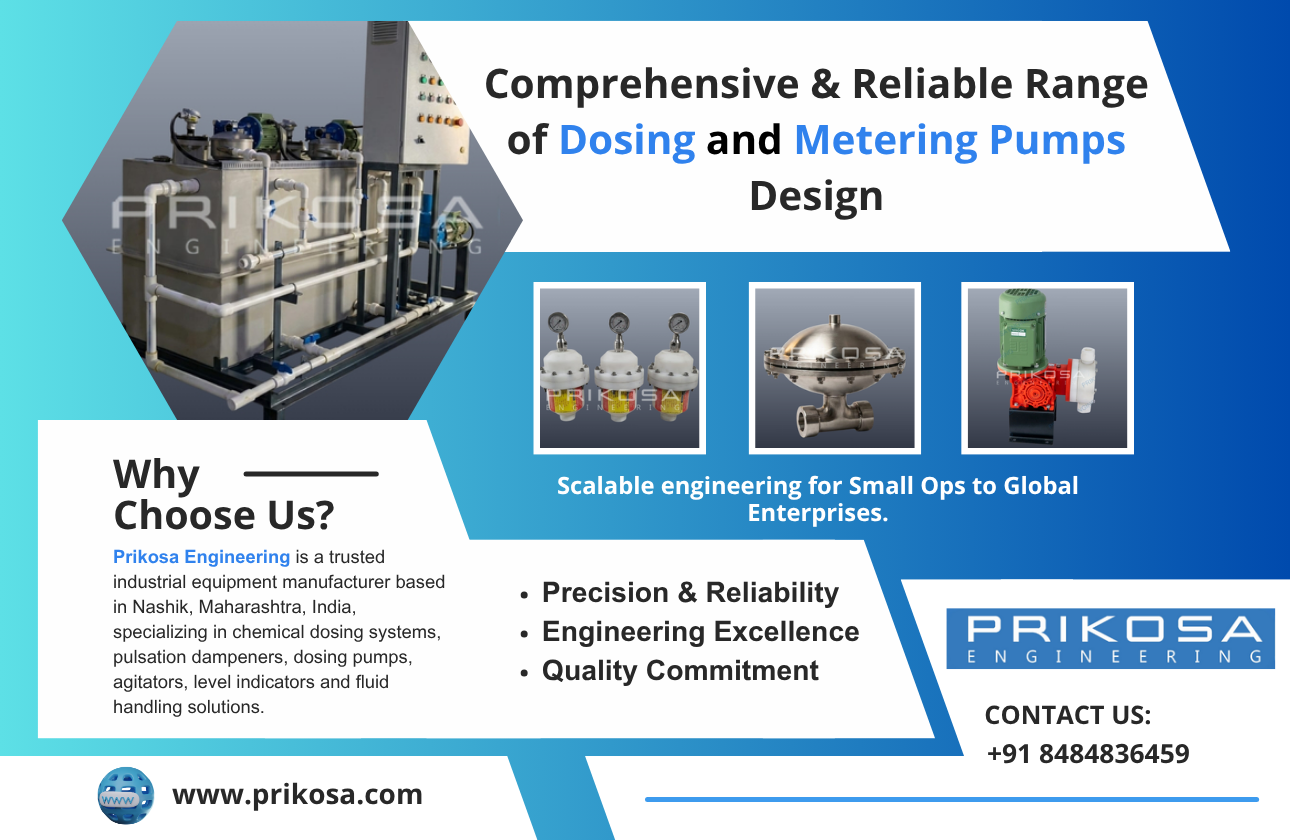
Introduction to Flocculant Dosing Systems
Flocculant dosing systems are essential in various industries, especially in water treatment. These systems are designed to add precise amounts of chemicals known as flocculants into water systems to help in the sedimentation of suspended solids. By clumping fine particles together, flocculants make it easier to separate and remove these particles from the water, which is crucial for creating clean and safe water.
How Flocculant Dosing Systems Work
Flocculant dosing systems function by introducing flocculants at controlled rates into a water system. This is typically managed through dosing pumps which ensure a consistent and measured flow of the chemical. The flocculants promote the aggregation of tiny particles into larger clumps or flocs, which are then more easily removed through filtration or settling processes. By doing so, they significantly improve the clarity and quality of the water being treated.
Benefits of Using Flocculant Dosing Systems
The use of flocculant dosing systems offers numerous advantages. Firstly, they provide enhanced water quality by effectively removing unwanted particles. Additionally, they are cost-effective as they reduce the need for additional treatment steps. These systems also minimize chemical waste by ensuring that only the required dosage is administered, which is both environmentally and economically friendly. Their automated nature reduces the need for constant human oversight, enhancing process efficiency.
Choosing the Right Flocculant Dosing System
Selecting the correct flocculant dosing system is crucial for optimal performance. It involves evaluating the specific requirements of your water treatment needs, including the type and concentration of particles in the water. Knowledge of the system's capacity and precision in dosing is also essential. By understanding these factors, you can make an informed decision that ensures effective and efficient water treatment processes.
The Role of Automatic Flocculant Dosing Systems
Automatic flocculant dosing systems enhance the traditional systems by adding features aimed at increasing accuracy and reducing manual intervention. These systems use sensors and controls to adjust the flocculant dose in real-time, responding to changes in water conditions swiftly. Automatic Flocculant Dosing System ensures optimum performance and consistency, dramatically improving efficiency and reliability in industrial settings.
Advantages of Automatic Flocculant Dosing Systems
One of the major benefits of automatic systems is their ability to operate without constant supervision, saving labor costs and reducing human errors. They adapt to fluctuating water conditions and ensure the precise quantity of flocculant is administered. Moreover, these systems are designed to be user-friendly, making it easier to monitor and control the dosing process, which is a great advantage for enterprises focusing on efficiency and efficacy in operations.
Common Applications of Flocculant Dosing Systems
Flocculant dosing systems are commonly used in municipal water treatment plants, wastewater management, and industrial processes like mining and food production. The capability to provide clean and safe water by removing particulates makes these systems indispensable. Their widespread application underscores the importance of understanding and choosing the right system.More Details here.
Frequently Asked Questions
1. What is a flocculant dosing system?
Answer: A flocculant dosing system is a setup used to introduce flocculants into water or wastewater systems to aid in the sedimentation of particles. This is critical for water purification and quality improvement.
2. How does an automatic flocculant dosing system work?
Answer: Automatic flocculant dosing systems use sensors and automated controls to regulate the amount of flocculant added, adapting to water quality changes in real-time to ensure optimal treatment.
3. Why are flocculant dosing systems important?
Answer: These systems are pivotal because they enhance water purity by aggregating small particles into larger flocs that can be easily removed, benefiting various industrial and municipal applications.
4. Can these systems be integrated into existing water treatment setups?
Answer: Yes, most flocculant dosing systems are designed to be compatible with existing water treatment infrastructure, making them versatile and easy to implement.
5. What are the cost implications of installing an automatic flocculant dosing system?
Answer: While the initial investment might be higher due to advanced features and automation, the long-term savings in labor costs, chemical usage, and enhanced efficiency often justify the cost.