
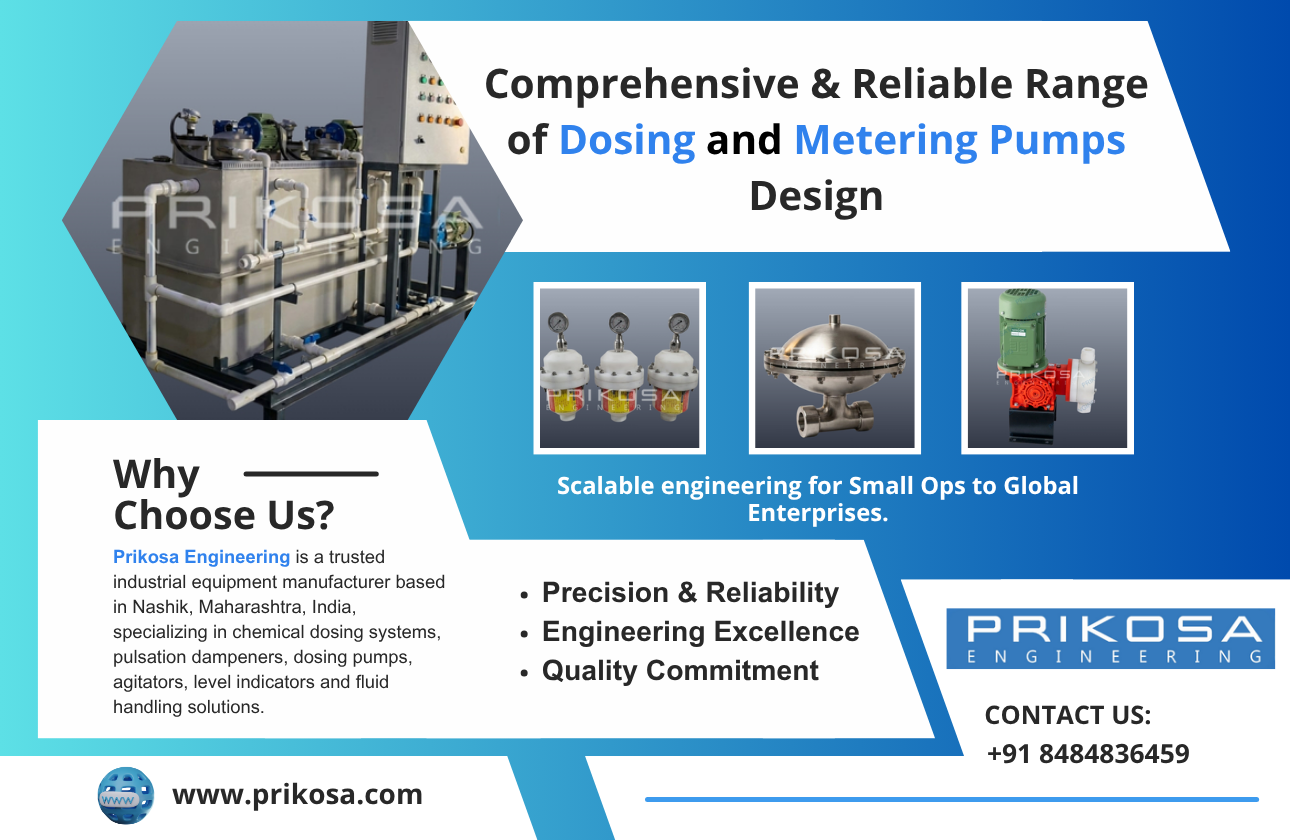
What is a Polymer Dosing System?
A polymer dosing system is an integral part of wastewater treatment plants, particularly in sewage treatment plants (STP). These systems are designed to aid in the flocculation process by dispensing precise amounts of polymers to gather smaller particles into larger clusters. This enhances sedimentation and filtration, making it easier to separate solids from water. Due to their effectiveness, polymer dosing systems are used worldwide to treat wastewater efficiently.
Importance of Polymer Dosing in STP
Sewage treatment plants rely heavily on polymer dosing systems to ensure efficient wastewater management. By using the right amount of polymers, STPs can improve the settling velocity of suspended solids. This helps in reducing the operational cost as it maximizes the treatment capacity of the plant. Additionally, the correct dosing of polymers ensures that treated water meets environmental standards, minimizing the risk of pollution.
How Does a Polymer Dosing System Work?
The working mechanism of a polymer dosing system for STP is fairly straightforward. Initially, a polymer solution is prepared by mixing polymers with water. This solution is then introduced into the wastewater stream. As the polymers interact with the particles in the water, they cause them to bind together, forming flocs. These larger flocs settle faster, which aids in removing solids during the clarification process. The overall operation is controlled by pumps and mixers that ensure the polymer solution is well-dispersed and consistently mixed with the wastewater.
Components of a Polymer Dosing System
A typical polymer dosing system consists of various components such as storage tanks, dosing pumps, mixers, and control units. The storage tanks are used to hold the polymer solution before dosing. Dosing pumps play a crucial role in ensuring the accurate delivery of polymer into the wastewater. Mixers facilitate the proper mixing of polymers with water in the tanks. Meanwhile, the control unit ensures the system functions optimally by adjusting the dosing rates according to the flow rate and concentration of the wastewater.
Applications of Polymer Dosing in Wastewater Treatment
Polymer dosing systems are used in various stages of wastewater treatment. Their primary applications include primary settling, enhancing sludge thickening, and dewatering processes. During primary settling, polymers help in aggregating solid particles, making it easier to remove them from the water. They also aid in reducing the volume of sludge by improving its thickening and dewatering abilities. By relying on flocculant dosing systems, plants can ensure they are operating at peak efficiency.
Benefits of Using Polymer Dosing Systems
There are numerous advantages to using polymer dosing systems, including cost savings and improved treatment efficiency. Cost savings are achieved as these systems optimize chemical usage, minimizing waste and reducing operational costs. The system's ability to enhance flocculation and sedimentation processes translates to higher efficiency in particle removal, resulting in cleaner effluent water. Moreover, the flexibility in adjusting dosages helps address varying wastewater characteristics, making them suitable for different conditions.
Frequently Asked Questions
1. What types of polymers are used in STP?
Answer: In sewage treatment plants, both cationic and anionic polymers are used depending on the contaminants present in the wastewater. Cationic polymers are typically used for sludge dewatering, while anionic polymers are often used to improve the sedimentation process.
2. How is the dosage determined in a polymer dosing system?
Answer: The polymer dosage in a dosing system is determined based on the characteristics of the wastewater, such as the concentration of solids and the flow rate. Adjustments can be made by monitoring the system's performance and measuring treated water's clarity.
3. Why is precise dosing important?
Answer: Precise dosing is critical because it ensures optimal performance of the flocculation process while minimizing chemical usage and operational costs. Overdosing can lead to wastage and increased expenses, while underdosing can cause inadequate treatment.
4. How often should polymer solutions be prepared?
Answer: Polymer solutions should be prepared fresh daily or as needed to avoid degradation, which can reduce effectiveness. The preparation frequency depends on the plant's capacity and the specific polymers used.
5. Are there any environmental concerns with using polymer dosing systems?
Answer: When used correctly, polymer dosing systems are safe and effective. However, it's essential to choose environmentally friendly polymers and ensure correct dosing to minimize potential negative environmental impacts.