
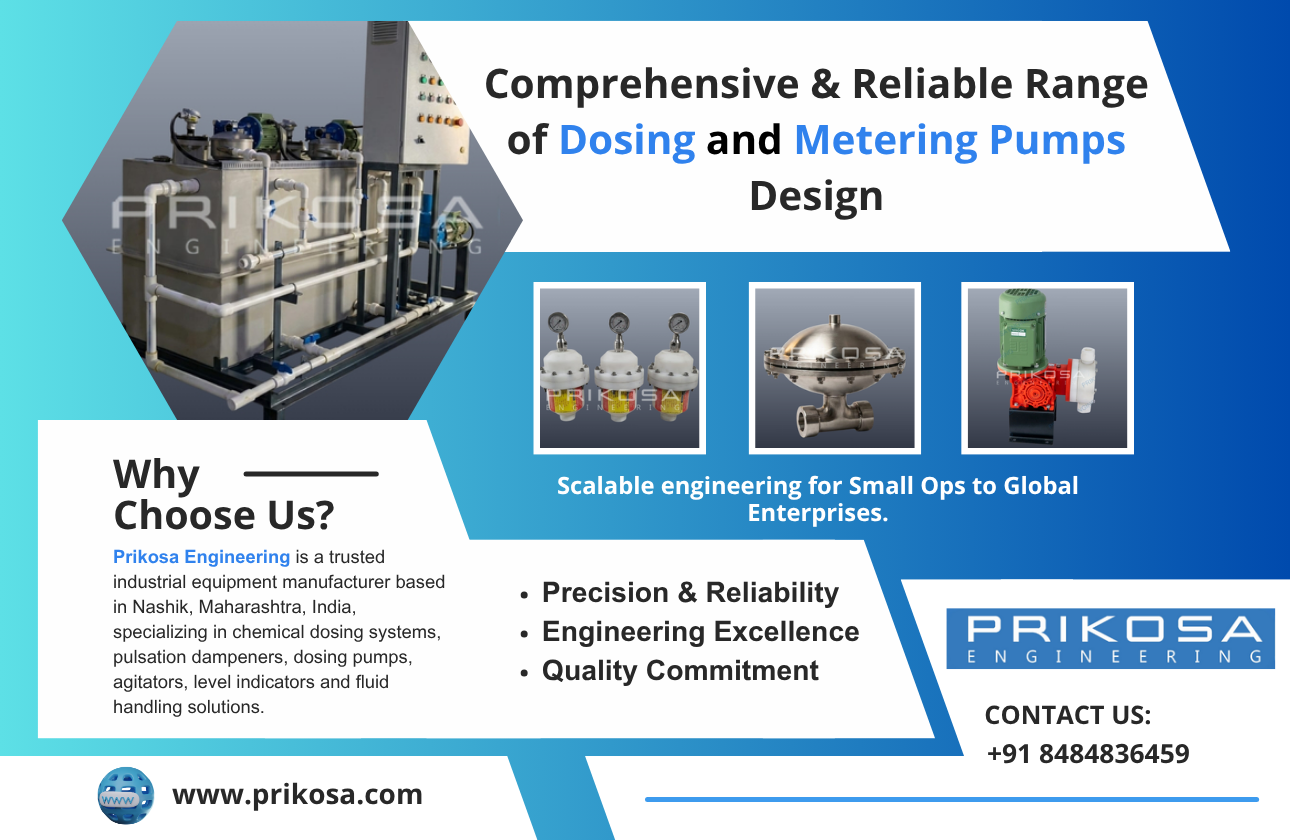
What is a Chemical Dosing Skid?
Chemical dosing skids are assemblies that are used in various industries to introduce chemicals into a system at a controlled rate. These systems are essential in water treatment, chemical manufacturing, food processing, and many other sectors. Essentially, a chemical dosing skid consists of a frame or platform onto which several components are mounted, including pumps, valves, pipes, and instrumentation. This ensures that the required amount of chemical is delivered accurately and consistently.
Why Use Chemical Dosing Skids?
One of the main reasons for using chemical dosing skids is precision. These skids are designed to deliver a specific volume of a chemical into a system, and this precision is crucial in many processes. For instance, in water treatment, using too much or too little of a particular chemical can disrupt the treatment process, leading to subpar water quality. Furthermore, chemical dosing skids enhance safety by minimizing human contact with potentially hazardous chemicals and reducing the risk of over-dosing. Each skid is customized to meet the specific needs of the operation it's part of, making it an indispensable tool in industrial applications.
Components of a Chemical Dosing Skid
A standard chemical dosing skid will typically include several key components, each serving an essential function. These components include pumps, which are the heart of the system. They are responsible for moving the chemical to the desired location. There are various types of dosing pumps, such as plunger and diaphragm pumps, each with their advantages. Additionally, tanks and mixers may be integrated to store and blend chemicals before they're pumped into a system. The inclusion of reliable instrumentation is crucial as well, ensuring that flow rates and chemical concentrations are monitored and controlled adequately.
Applications of Chemical Dosing Skids
Chemical dosing skids find their application in numerous industries due to their versatility and efficiency. In the realm of water treatment facilities, they play an integral role in introducing chemicals such as chlorine or alum to disinfect water or remove impurities. In the food and beverage industry, these skids are used for precise dosing of flavors, colors, and preservatives. Furthermore, chemical plants rely on dosing skids for the accurate addition of reagents in various processes, ensuring product consistency and safety. This widespread applicability across industries highlights their prominence and necessity.
Advantages of Using Skid Mounted Dosing Systems
Skid mounted dosing systems are advantageous for a variety of reasons. First and foremost, the skid design simplifies transportation and installation. These compact and self-contained systems allow for easy integration into existing infrastructure. Their mobility is beneficial for operations that may need to move systems between sites or undergo frequent reconfigurations. Additionally, skid mounted systems can be tailor-made to address specific process requirements, providing both flexibility and efficiency.
Skid Mounted Dosing Systems in Industrial Processes
Industries such as oil and gas, pharmaceuticals, and agriculture heavily rely on skid mounted dosing systems for their processes. For example, in oil extraction, these systems are used for injecting chemicals that prevent corrosion, hydrate formation, and wax deposition in pipelines. This not only helps in maintaining the integrity of equipment but also ensures optimal performance. Similarly, in agriculture, controlled dosing systems are critical for effective and efficient pesticide application, ensuring crops receive the correct amount of treatment without wastage.
Innovations and Advancements in the Field
The field of chemical dosing has witnessed several advancements aimed at improving efficiency, safety, and accuracy. Modern chemical dosing skids are often equipped with advanced monitoring systems and automation, reducing the need for manual intervention. Smart dosing systems incorporate IoT technology to enable remote monitoring and control, facilitating real-time adjustments and maintenance. This push towards automation not only optimizes resource use but also enhances worker safety by limiting direct interaction with chemicals.
Challenges Facing Chemical Dosing Skids
Despite their benefits, chemical dosing skids also come with certain challenges. Ensuring the accuracy and reliability of dosing can be difficult, particularly in processes requiring highly specific volumes. System maintenance and calibration are vital to prevent errors, necessitating regular checks and updates. There is also the concern of equipment compatibility, where integrating new systems with existing infrastructure can pose logistical challenges. Addressing these issues involves choosing appropriate technology and adhering to a strict maintenance schedule.
Choosing the Right Chemical Dosing Skid
Selecting the suitable chemical dosing skid involves evaluating specific operational needs and constraints. Factors such as the type of chemical, required flow rate, and environmental regulations must be taken into account. It's also important to consider future scalability to accommodate for growth or process changes. Consulting with experts and leveraging resources from specialized manufacturers can provide invaluable guidance in making the right choice. Companies often customize these systems, ensuring they meet the unique demands of their business.
Frequently Asked Questions
1. What industries commonly utilize chemical dosing skids?
Answer: Chemical dosing skids are widely used in water treatment, food and beverage processing, chemical manufacturing, and various industries that require precise chemical dosing.
2. How do chemical dosing skids enhance safety?
Answer: These skids reduce human exposure to chemicals, minimize spills, and incorporate safety features such as automated shut-off valves and monitoring systems to prevent overdosing.
3. Can chemical dosing skids be customized?
Answer: Yes, chemical dosing skids are highly customizable. They can be designed to accommodate specific chemicals, flow rates, and environmental conditions to suit the needs of different applications.
4. Are there different types of dosing pumps used in skids?
Answer: Yes, there are various types, including plunger and diaphragm pumps. Each type offers different advantages depending on the application and chemical used.
5. What are the common challenges faced with chemical dosing skids?
Answer: Ensuring dosing accuracy, maintenance and calibration, integration with existing systems, and regulatory compliance are some of the challenges faced with these systems.