
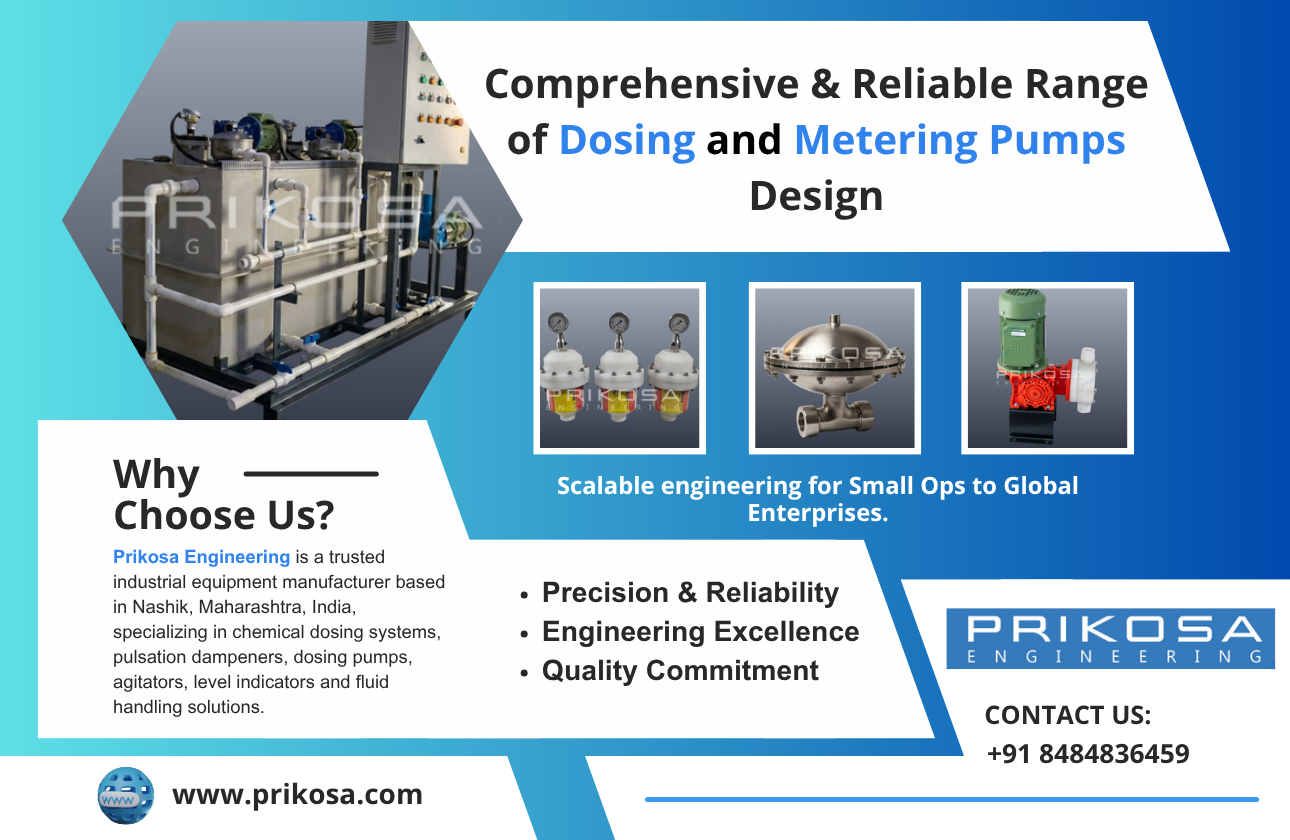
Automatic Polydosing System: An Overview
Automatic polydosing systems are at the forefront of automated chemical processing. These systems work by accurately delivering chemicals into a process at the right time and in the right amounts. This automation plays a vital role in improving efficiency, reducing manual intervention, and minimizing errors. Many industries benefit from such systems, including water treatment, manufacturing, and food processing. Understanding how these systems function can provide a significant edge, especially in sectors where precision is critical.
The Importance of Automation in Chemical Dosing
In the world of industrial processing, automation is key to achieving consistency, repeatability, and safety. An automatic polydosing system takes the guesswork out of chemical dosing. The system's automated nature means it can operate with minimal supervision, freeing up staff to focus on other critical tasks. Implementing such systems ensures that the processing and dosing occur smoothly and precisely. This efficiency ultimately translates into cost savings and improved product quality.
How an Automatic Polydosing System Works
The operation of an automatic polydosing system revolves around sensor technology and programmable controllers. Sensors monitor various parameters like flow rate, pressure, and chemical levels, ensuring optimal dosing. The data collected by the sensors is sent to the controllers, which then decide the appropriate amount of chemical to dispense. This closed-loop system is highly effective in maintaining consistent quality and reducing the likelihood of human error.
Benefits of Implementing Automatic Polydosing Systems
The benefits of automatic polydosing systems are manifold. First, they increase accuracy in dosing chemical agents, crucial for maintaining product quality. Second, they reduce waste by ensuring that only the necessary amount of chemical is used, thus saving on material costs. These systems also enhance safety by controlling the dosing process and reducing the need for manual handling of potentially hazardous chemicals. Furthermore, these improvements help in meeting stringent regulatory standards that many industries face today.
Challenges and Considerations in Using Chemical Polydosing Systems
Despite their advantages, adopting a chemical polydosing system isn't without its challenges. A primary concern is the initial cost of implementing such a system; however, the long-term benefits typically outweigh these early investments. Training for personnel is another consideration, as employees must understand the system's functionality to maximize its potential. Additionally, regular maintenance and updates are necessary to keep the system running smoothly. It's worth noting that choosing the right technology and service provider can make a significant difference in overcoming these challenges.
Future Trends in Automatic Polydosing Systems
As technology advances, so do automatic polydosing systems. Integration with IoT and remote monitoring capabilities are becoming more common, allowing for real-time data tracking and management. These innovations provide valuable insights into process optimization and predictive maintenance. The continuous evolution in this field means that businesses can expect even smarter systems that further enhance efficiency and safety.
Frequently Asked Questions
1. What industries benefit most from automatic polydosing systems?
Answer: Industries such as water treatment, manufacturing, and food processing benefit significantly from automatic polydosing systems. These sectors rely heavily on precision and consistency, making automated dosing vital for quality control and cost efficiency.
2. How does an automatic polydosing system improve safety?
Answer: Automatic systems reduce the need for manual handling of chemicals, lowering the risk of exposure to hazardous materials. They also ensure accurate dosing, minimizing potential process-related mishaps.
3. Are automatic polydosing systems cost-effective?
Answer: Although the initial setup costs can be significant, the long-term savings from reduced waste, improved efficiency, and enhanced safety make automatic polydosing systems cost-effective. They also help in maintaining compliance with industry regulations.
4. Can an automatic polydosing system be integrated with existing operations?
Answer: Yes, most modern automatic polydosing systems are designed with integration in mind. They can often be seamlessly incorporated into existing operations, provided the right planning and technology are used.
5. What should businesses consider when implementing a chemical polydosing system?
Answer: Businesses should consider the system's cost, the level of required maintenance, compatibility with existing processes, and the training needed for employees. Partnering with a reliable technology provider, such as Prikosa, can help ensure a smoother implementation process.