
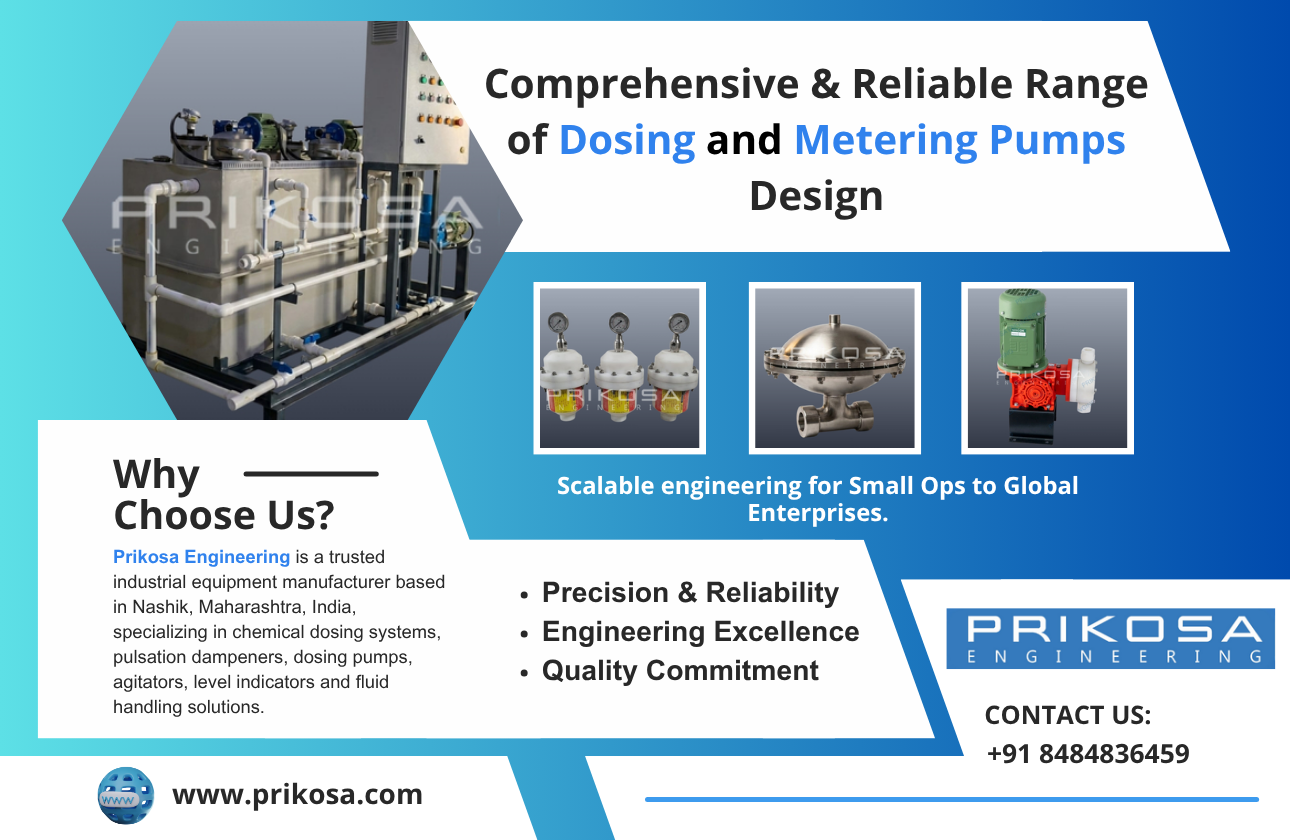
Understanding Automatic Flocculant Dosing Systems
Automatic Flocculant Dosing Systems play a crucial role in the world of water treatment. These systems automatically add flocculants to untreated water, which helps in separating impurities. The flocculant works by sticking small particles together to form larger clumps, making them easier to remove. This process is essential in ensuring that the water you use or discharge meets safety and environmental regulations.
The Functionality of an Automatic Flocculant Dosing System
The system is designed to precisely control the amount and timing of flocculant delivery. It consists of sensors and pumps that are programmed to respond to the demands of the water treatment process. This means the system can adjust the dosage based on the water's contamination level, which ensures optimal efficiency. By using an Automatic Flocculant Dosing System, facilities can reduce waste and improve the speed of treatment.
Benefits of Automatic Flocculant Dosing Systems
There are several advantages to using these automatic systems. Firstly, they provide consistent treatment quality by continually monitoring and adjusting the chemical dosage. This removes human error and ensures that water is always treated to the highest standards. Furthermore, these systems are cost-effective. They reduce the need for manual intervention and monitor usage in real time, which cuts down on excessive chemical use and wastage. Moreover, employing an Automatic Dosing System results in significant savings in both time and operational costs.
Applications in Industry
These systems are used in various sectors, including municipal water treatment plants and industrial facilities. In every application, they ensure that the process is both efficient and environmentally friendly. By automating the dosing, facilities can respond quicker to changes in water quality or volume, ensuring compliance with environmental standards. Their use is not limited to large-scale operations but can also be adapted for smaller settings, which makes them a versatile solution for many types of water treatment challenges.
Why You Should Consider an Automatic Flocculant Dosing System
If your facility deals with water treatment, considering an automatic system could be a wise decision. These systems not only help in maintaining regulatory compliance but also significantly reduce operational costs. Their ability to self-calibrate means they're adaptable and efficient, providing peace of mind to those in charge of managing complex water systems. Furthermore, the investment in such a system is easily justified over time by reduced manual labor and chemical savings. Learning more about the Automatic Flocculant Dosing Systems can provide insights into their importance in modern water treatment processes.
Frequently Asked Questions
1. What is the primary role of an Automatic Flocculant Dosing System?
Answer: The primary role of an Automatic Flocculant Dosing System is to add flocculants to water automatically in order to remove impurities effectively. It provides consistent water treatment by monitoring and adjusting the chemical dosage as necessary.
2. How does this system compare to manual dosing?
Answer: Compared to manual dosing, an automatic system offers greater accuracy, efficiency, and consistency. It reduces human error and ensures that the correct amount of chemical is used every time.
3. Can these systems adjust to different contamination levels?
Answer: Yes, these systems are equipped with sensors and automated controls that allow them to adjust dosages based on real-time water quality data, ensuring efficient and effective treatment.
4. Are these systems cost-effective?
Answer: Yes, they are cost-effective as they reduce chemical wastage and require less manual labor. The precision in dosing helps in saving on chemical expenses and improves overall operational efficiency.
5. Where are Automatic Flocculant Dosing Systems commonly used?
Answer: These systems are widely used in various industries, including municipal water treatment facilities and different industrial sectors, due to their efficiency in handling large volumes of water and their ability to meet strict regulatory standards.