
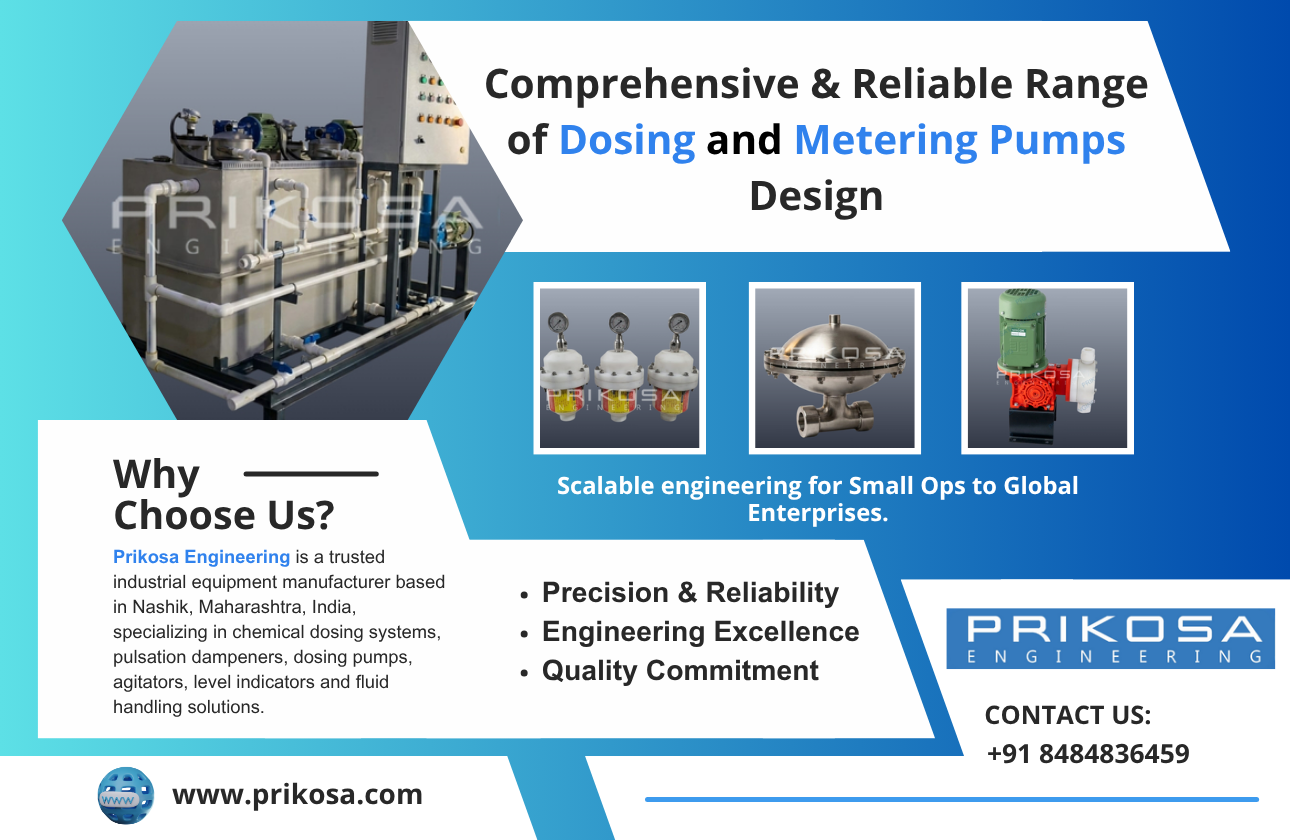
Dosing Pump: The Backbone of Accurate Chemical Delivery
When it comes to precision in process control, a dosing pump shines as a reliable star. These pumps are specially designed to handle small quantities of fluids and dispense them accurately. Whether in industries like water treatment or food processing, they ensure that the exact amount of chemical is added to the process. This precision not only saves chemicals but also ensures that the processes remain efficient and safe. The ability to be adjusted easily, even during operation, allows for flexibility that can be crucial in dynamic environments.
The Multitude of Uses for Dosing Pumps
The popularity of dosing pumps stems from their versatility. They are used in various sectors, from manufacturing to pharmaceuticals. A prime example is their use in water treatment facilities to add aluminum-based chemicals safely and accurately, as seen in alum dosing systems. They play a critical role in the efficient management of chemicals, ensuring the end products meet industrial standards without any contamination. The pumps help in managing consistency in production, leading to an overall improvement in quality standards.
Exploring the Chemical Dosing Pump
When precision is paramount, chemical dosing pumps come into play. They are essential for controlling and distributing chemicals as needed. From small-scale applications to large industrial settings, these pumps are designed to guarantee that chemicals are dispensed exactly where and when needed, without wastage or mishap. Their reliability is bolstered by advanced materials capable of withstanding even the harshest substances. Businesses rely on them to streamline operations, reducing costs while maximizing output quality, a must in today's competitive landscape.
The Operation of Dosing Pumps
Understanding the operation of a dosing pump is simple. They consist of key components like a motor, a pump head, and a dosing line. The motor drives the pump head, which moves the fluid through the dosing line to the desired location. This precise movement aligns perfectly with control systems, achieving high accuracy and repeatability. These attributes are why they are an indispensable part of many industrial processes. The world of dosing pumps constantly evolves, offering new technologies to enhance efficiency and precision further.
The Flexibility and Customization of Dosing Pumps
Another significant advantage of dosing pumps is their flexibility. They can be tailored to specific applications, made possible through variable speed or displacement control. This customization means that whether the pump is part of a high-volume industrial setup or a smaller atmospheric application, it operates at peak efficiency. From basic manual pumps to sophisticated digital versions, there is a dosing pump suitable for every need. The future will likely see even more precise mechanisms and smarter systems, as indicated in discussions on the evolution of dosing systems.
Frequently Asked Questions
1. What is a dosing pump used for?
Answer: A dosing pump is used to deliver a specific amount of liquid, often chemicals, into another fluid stream or batch system. These pumps are common in industries like water treatment, food processing, and pharmaceuticals where precise chemical distribution is essential to ensure safety and quality.
2. How does a chemical dosing pump benefit industries?
Answer: Chemical dosing pumps benefit industries by ensuring accurate and consistent chemical distribution, which enhances process efficiency and minimizes waste. This precision guarantees that end products are of high quality while maintaining safety and environmental standards.
3. Are there different types of dosing pumps?
Answer: Yes, there are multiple types of dosing pumps, including diaphragm type, peristaltic, and piston pumps. Each type has unique features that make it suitable for specific applications and industries.
4. How do I maintain a dosing pump?
Answer: Regular maintenance of a dosing pump includes checking for leaks, cleaning the pump head, inspecting electrical connections, and replacing worn-out components. Additionally, pumping systems should be calibrated periodically to ensure they continue to function accurately.
5. Can a dosing pump be used for all types of chemicals?
Answer: Not all dosing pumps are suitable for all chemicals. The pump material must be compatible with the specific chemicals being used to avoid corrosion or degradation. Consulting the manufacturer's guidelines or a specialist can help in selecting the right chemical dosing system for your needs.