
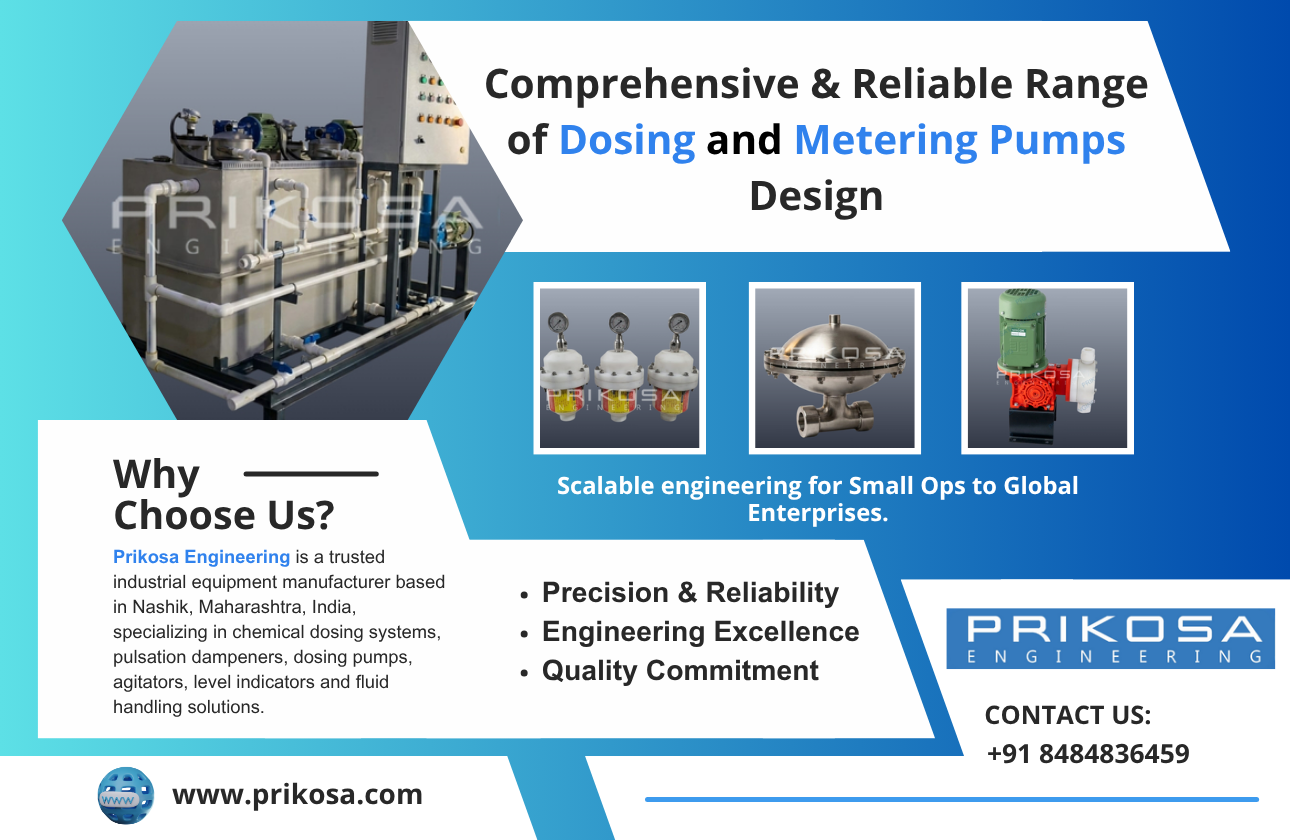
What is a Polymer Dosing System?
A polymer dosing system is a critical component in many industrial and water treatment applications. Used primarily to treat water and sewage, these systems dissolve polymer compounds, which help in coagulating suspended particles. The polymers, when combined with the water or sludge, promote aggregation, forming larger particles or 'flocs' that can be easily separated. Polymer dosing systems are integral to processes where precise chemical control is necessary, ensuring efficiency and effectiveness in water clarification and sludge dewatering.
How Does a Polymer Dosing System Work?
The polymer dosing system operates by delivering a precisely measured quantity of polymer into the system being treated. The polymers used are typically supplied in a dry or highly concentrated form and require dilution before being injected. As a result, the system often includes a dosing pump, a mixing tank, and a control unit to manage the dosing process. These components work in tandem to ensure precise dosage based on requirements and varying water or sludge conditions. By providing the right concentration, they enhance the coagulation and settling stages, significantly improving treatment efficacy. To know more about various dosing pumps used, you can check this comprehensive guide on plunger pumps.
The Importance of Polymer Dosing Systems in Water Treatment
Polymer dosing systems hold immense importance in the water and wastewater treatment industry. They are designed to control the amount of polymer used efficiently, ensuring optimal results with minimal waste. By doing so, these systems help in reducing not only operational costs but also the chemical footprint on the environment. The precise dosing provided by these systems contributes to superior water quality and reduced sludge volume. By designing effective dosing regimes, water treatment plants can achieve higher throughput, reduced impurities, and improved sludge handling.
Applications of Polymer Dosing Systems
Polymer dosing systems find applications across various sectors, including municipal water treatment plants, industrial effluent treatment, and sewage treatment plants. They are employed where large volumes of water require purification and where sludge management is critical. These systems also play a crucial role in preventing blockages, promoting dewatering, and reducing disposal costs. The versatility of polymer dosing systems makes them a valuable asset in both urban and rural water management strategies. For a deep understanding of how these systems are used, explore this article on polymer dosing systems and polydosing for ETP STP.
Advantages of Using a Polymer Dosing System
Deploying a polymer dosing system offers numerous benefits. First and foremost, it ensures that the exact amount of polymer is utilized, reducing chemical wastage and operational costs. Secondly, these systems enhance process control, delivering consistent and efficient results. They also improve flocculation outcomes, leading to cleaner treated water and reduced sludge production. Ultimately, they enable operations to be both economically and environmentally sustainable.
Understanding Polydosing Systems for ETP and STP
Effluent treatment plants (ETP) and sewage treatment plants (STP) frequently employ polydosing systems. These are specialized polymer dosing systems designed to handle variations in influent flow and organic load. They adjust polymer dosing rates dynamically, ensuring optimal performance even under fluctuating conditions. In such applications, the primary goal is to enhance suspended particle removal, improving water quality, and reducing organic load in effluent water, which is critical for meeting regulatory standards. For comprehensive insights into managing multi-chemical dosing, refer to this multi-chemical dosing systems guide.
Key Considerations in Choosing a Polymer Dosing System
When selecting a polymer dosing system, several factors need consideration. These include the type and concentration of polymer, flow rate requirements, operational environment, and maintenance needs. Identifying the scale and specific application is also essential to choose a system that can operate efficiently and sustainably. The system must also comply with any specific industry standards and regulations to ensure safe and effective operation.
Frequently Asked Questions
1. What is the main role of polymer dosing systems in water treatment?
Answer: Polymer dosing systems are primarily used for coagulating suspended particles in water and sludge, facilitating their removal to provide cleaner water and manageable sludge disposal.
2. How do polymer dosing systems adjust to varying conditions?
Answer: They often include control units that dynamically alter the dosing rates based on real-time measurements of water or sludge conditions, ensuring optimal performance.
3. Can polymer dosing systems reduce operational costs?
Answer: Yes, by accurately metering the polymer use, these systems help minimize chemical wastage, thus saving on operational costs while enhancing process efficiency.
4. Are polymer dosing systems environmentally friendly?
Answer: Yes, they reduce the chemical footprint by ensuring precise dosing, which leads to less chemical waste and a more sustainable environmental impact.
5. What industries benefit the most from polymer dosing systems?
Answer: Industries involved in water and wastewater treatment, particularly municipal water treatment plants and industrial effluent management, benefit significantly from polymer dosing systems.