
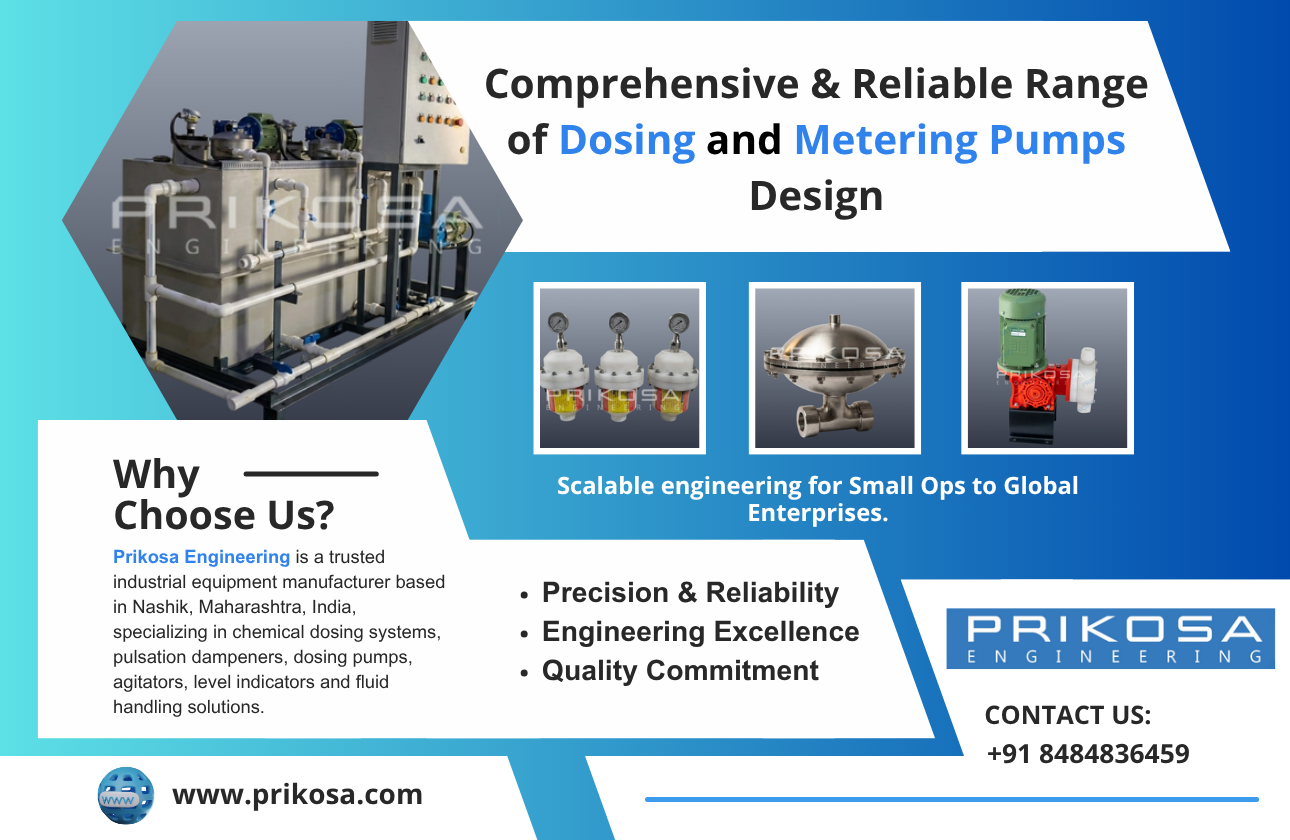
An Introduction to Smart Dosing Systems
Smart dosing systems are here to revolutionize the way we handle chemicals in our daily operations. Imagine being able to control the exact amount of chemicals needed for a process, without wasting any. That's the power of smart dosing systems. These systems use modern technology to automate and fine-tune the delivery of chemicals. They help make work processes more efficient and reduce the margin for human error. With their precision, they ensure that the right amount of chemical is used, leading to cost savings and improved productivity.
How Smart Dosing Systems Work
At the heart of smart dosing systems is the remarkable ability to control dosing processes automatically. These systems are equipped with sensors and software that help keep track of the chemical levels. They use data and algorithms to decide when and how much chemical to release in a given process. This makes them particularly useful in industries that require stringent control over chemical usage. By reducing manual intervention, these systems enhance safety and ensure consistency in processes. This is especially beneficial in sectors such as water treatment and chemical manufacturing.
The Benefits of Using Smart Dosing Systems
The advantages of smart dosing systems are numerous. For starters, they greatly reduce waste. By making sure only the needed amount of chemical is dispensed, companies can reduce their spending on chemicals and minimize waste disposal issues. They also increase safety by minimizing the risk of human error during handling. Furthermore, smart dosing systems can monitor themselves, alerting operators about any issues before they become problems. By implementing such systems, businesses can improve their operational efficiency and, at the same time, help in sustaining the environment.
Applications of Smart Dosing Systems
You can find smart dosing systems at work in various industries. In chemical manufacturing, these systems are used to ensure accurate dosing of raw materials. In the food industry, they help in maintaining consistent quality by controlling ingredients precisely. Meanwhile, in the wastewater industry, smart dosing systems help in treating waste efficiently while adhering to environmental regulations. Their versatility and precision make them an asset across different domains.
Understanding Automatic Dosing Systems
Automatic dosing systems, much like their smart counterparts, help in controlling the release of chemicals in various processes. The primary difference is that these systems may not always use the advanced data analytics that define smart dosing systems. However, they still play a crucial role in automating the chemical delivery process. Automatic dosing systems work by pre-programming the desired amounts of chemicals required. They can operate on time-based or event-based triggers, which facilitates the automatic release of chemicals without constant supervision. This ensures precision and consistency in dosing, with minimal human intervention.
The Role of Automatic Dosing Systems in Industry
Automatic dosing systems find their place in industries where constant chemical intervention is necessary. For instance, in swimming pools, these systems maintain the right pH levels by automatically adding the necessary chemicals. Similarly, in agriculture, they aid in the even distribution of nutrients to crops, ensuring optimal growth and yield. The convenience offered by automatic dosing systems translates to less monitoring and fewer resources spent on manual dosing, thus providing a significant return on investment.
The Future of Smart and Automatic Dosing Systems
Looking ahead, the integration of the Internet of Things (IoT) with smart and automatic dosing systems promises to change the industry landscape even more. IoT devices can enhance these systems' capabilities by enabling remote monitoring and control through connected devices. This means that operators can adjust dosing parameters, receive alerts, and optimize processes from anywhere in the world. The future points towards more interconnected solutions, boosting efficiency, reducing costs, and enhancing reliability. As we embrace digital transformation, smart and automatic dosing systems will continue to evolve, addressing more complex challenges with increased ease.
Implementing Smart Dosing Solutions in Your Business
Integrating smart dosing solutions into your business involves some planning. It starts by identifying areas where these systems can provide the greatest benefits. Consider all points where chemical dosing can impact your operations' efficiency or compliance. Partnering with a reliable provider ensures the system is tailored to your specific needs. Install and set up the system, involving your team in training sessions to maximize its potential. By leveraging smart dosing systems, your business is not just investing in technology but securing a more sustainable and efficient future.
Frequently Asked Questions
1. What industries benefit most from smart dosing systems?
Answer: Smart dosing systems are incredibly versatile and are beneficial in industries like water treatment, chemical manufacturing, food processing, and agriculture. They help in ensuring precision, reducing waste, and maintaining consistent product quality.
2. How do smart dosing systems differ from automatic dosing systems?
Answer: While both smart and automatic dosing systems automate chemical delivery, smart systems utilize advanced sensors and data analytics for more precise control and monitoring, providing an edge over conventional automation techniques found in automatic systems.
3. Can smart dosing systems help in cost-saving?
Answer: Absolutely. By precisely controlling the amount of chemical used, smart dosing systems reduce waste and thus lower the overall cost associated with chemical purchase and waste disposal.
4. Are smart dosing systems difficult to install?
Answer: Installation requirements can vary based on industry and specific system needs, but generally, they are not complex. Partnering with a reliable provider ensures a smooth implementation process.
5. What are some challenges associated with smart dosing systems?
Answer: The initial cost can be a barrier for some organizations. Additionally, proper training is essential to ensure your team knows how to use the system's features effectively to maximize its benefits.