
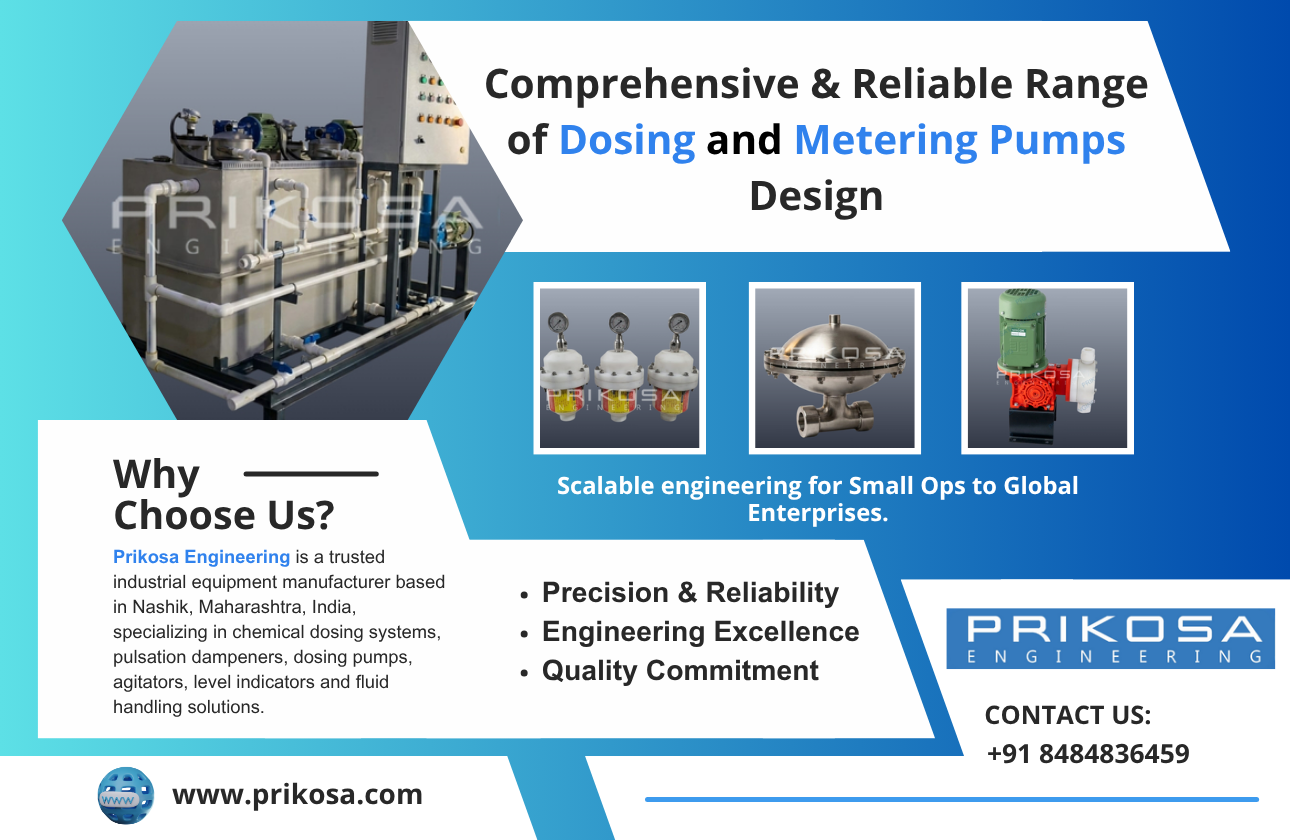
Flocculant Dosing System Overview
Simply put, flocculant dosing systems are essential for treating water, particularly in industries where water clarity is crucial. These systems work by adding chemicals, known as flocculants, into the water to help remove impurities. By doing so, particles in the water come together or coagulate, which makes them easier to filter out. Whether you're managing a municipal water supply, an industrial operation, or even dealing with wastewater, these systems play a crucial role in ensuring water quality.
Importance of Flocculant Dosing Systems
Having a flocculant dosing system is critical for a few reasons. Primarily, it assures the quality of water by removing unwanted particles effectively. This technology helps industries maintain standards for both environmental regulations and public health. Additionally, it enhances the efficiency of filtration systems by reducing the load of particulates that have to be filtered. It's not just about cleaner water; it's also about saving energy and resources over time.
Components of a Flocculant Dosing System
The main components include a dosing pump, a control panel, and a storage tank. Each part plays a specific role, and everything must work in harmony for the system to function effectively. The dosing pump controls the amount of flocculant added to the water, the control panel allows for adjustments in the dosing parameters, and the storage tank holds the flocculant until it's needed. Proper calibration and maintenance of these parts are vital for optimal performance, as discussed in articles like Exploring the World of Chemical Dosing Skids.
Manual vs. Automatic Flocculant Dosing Systems
There are two primary types of flocculant dosing systems: manual and automatic. Manual systems require human intervention to adjust the settings or refill the chemical tanks. This setup might be more cost-effective initially, but it often demands more human resources for operation and maintenance. On the other hand, automatic systems adjust themselves based on real-time data. As noted in Automatic Flocculant Dosing System guides, these typically offer greater efficiency and precision, making them ideal for larger scale operations.
Automatic Flocculant Dosing System Advantages
Automatic systems offer a range of advantages over their manual counterparts. For starters, they are highly efficient, as they continuously monitor water quality and adjust the dosing of flocculants accordingly. This means there’s less guesswork and wasted chemicals, making it both economically and environmentally friendly. Additionally, as highlighted in the Understanding Automatic Flocculant Dosing Systems blog, automation reduces the labor required to operate the system, which can be a huge advantage when expertise or workforce might be limited.
Challenges in Implementing Flocculant Dosing Systems
Implementing a flocculant dosing system is not without challenges. Accurate calibration is crucial; getting it wrong can result in inefficient treatment or even damage to the system. It can also be costly, as initial investments for more sophisticated systems like automatic ones tend to be higher. Additionally, ongoing maintenance and the need for periodic checks, like discussed in Understanding the Role of Dosing Pumps in Various Applications, can add to operational expenses. However, these challenges are often outweighed by the benefits of improved water quality and operational efficiency.
Future of Flocculant Dosing Systems
As technology advances, the future seems bright for flocculant dosing systems. Innovations are paving the way for more efficient, greener operations. IoT-integrated systems allow for real-time monitoring and adjustments, making water treatment more reliable than ever before. As noted in Unveiling the World of Automatic Polydosing Systems, the integration of smart technology is becoming mainstream, providing unprecedented levels of control and analytics.
Frequently Asked Questions
1. What is a Flocculant Dosing System?
Answer: A flocculant dosing system adds chemicals to water to help separate and remove impurities. It's essential in various industries, from wastewater treatment to potable water systems.
2. How does an Automatic Flocculant Dosing System work?
Answer: Automatic systems use sensors to monitor water quality and adjust dosing in real-time, providing more consistent and efficient treatment compared to manual systems.
3. What are the main benefits of using a Flocculant Dosing System?
Answer: The main benefits include improved water quality, enhanced efficiency of filtration systems, and reduced energy and resource consumption.
4. What challenges are associated with Flocculant Dosing Systems?
Answer: Challenges include the initial cost of installation, precise calibration needs, and ongoing maintenance requirements.
5. What is the future of these systems?
Answer: The future involves smart, IoT-integrated systems that offer real-time monitoring and adjustments, leading to more efficient and reliable water treatment processes.