
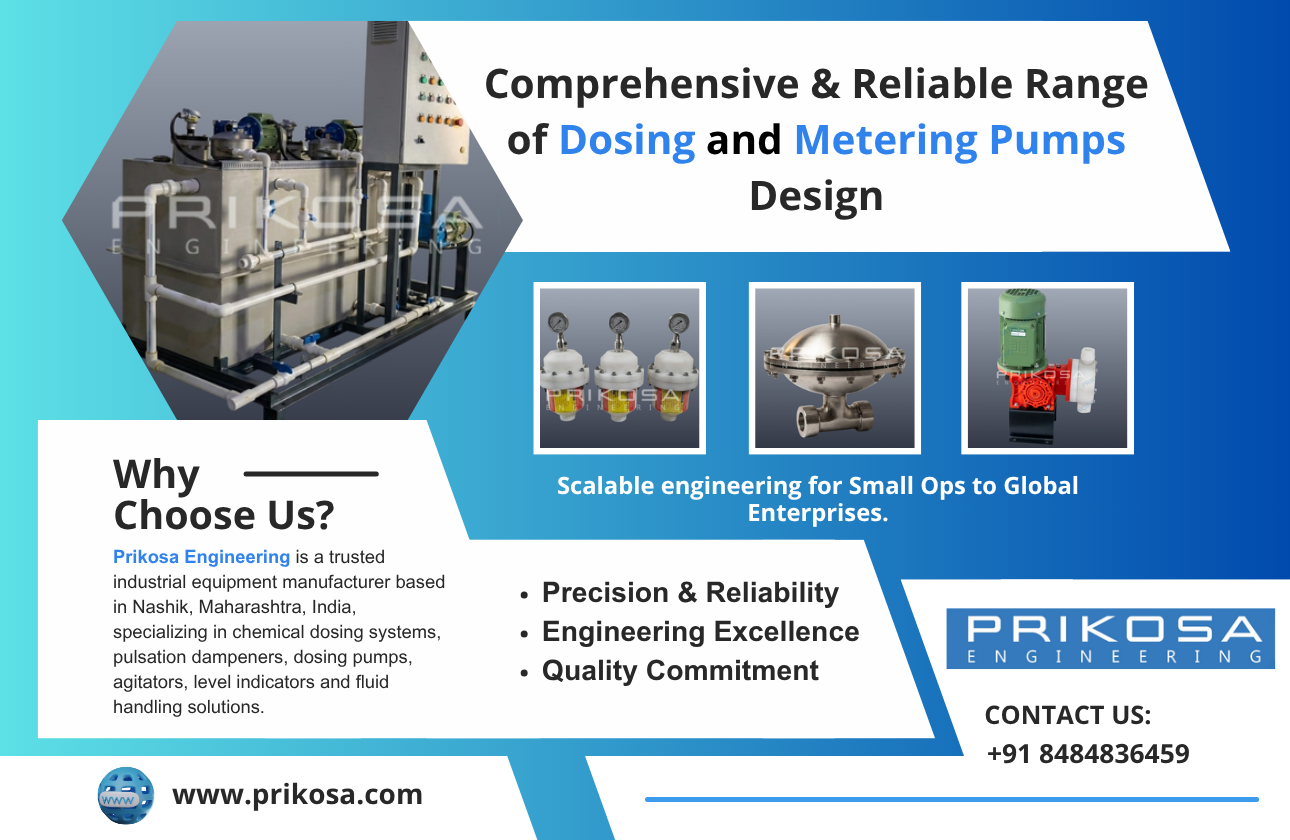
What is a Pulsation Dampener?
The world of fluid systems often encounters the challenge of managing pressure variations, which can be disruptive. This is where pulsation dampeners come into play. But what exactly are pulsation dampeners? Simply put, they are devices used in fluid systems to minimize pulsations or fluctuations that occur during the pumping process. These fluctuations are common with reciprocating pumps which can lead to inefficiencies and wear and tear on system components. By leveling out the pressure changes, pulsation dampeners ensure a smooth, stable flow of liquid or gas, improving the overall efficiency of the system. This is crucial in industries like chemical processing, wastewater treatment, and oil refineries, where consistent flow and minimized vibrations are critical for operational success. To learn more about this fundamental device, you may want to check out a detailed guide on pulsation dampeners.
The Function of Pulsation Dampeners
Understanding the function of pulsation dampeners is essential to appreciate their value in industrial applications. These devices stabilize the pulsations caused by reciprocating pumps by absorbing the kinetic energy of the fluid, thanks to compressible elements within them such as gas or airbags. As the fluid enters the dampener, the gas inside compresses to absorb excess energy, then releases it back into the fluid when the pressure drops. This cyclical process smooths out the fluid flow and ensures that the pressure remains consistent across the system. The consistent pressure reduces potential damage to pipes, valves, and other components, extending their lifespan. For a more detailed look at how these devices function, this pulsation dampeners guide offers great insights.
Bladder Type Pulsation Dampeners
Bladder type pulsation dampeners are one of the most common types used in industrial applications. They feature a flexible bladder or membrane that separates the compressible gas like nitrogen from the fluid. This type of dampener works particularly well with highly abrasive fluids or where a low shear environment is critical. When a fluctuation occurs, the elastic bladder flexes to absorb changes in volume, keeping the pressure steady. This makes bladder type dampeners ideal for applications needing precise control over pressure variations, such as dosing pumps which require accurate chemical delivery. For those interested in understanding more about how these dampeners integrate into such systems, consider exploring dosing pumps.
Bellow Type Pulsation Dampeners
Bellow type pulsation dampeners differ from their bladder counterparts mainly in their internal structure. Instead of a bladder, these feature a bellow mechanism to absorb pressure changes. This mechanism is particularly effective in high-pressure applications, as it can withstand significant pressure changes without compromising its structural integrity. The bellows' design allows them to compress and expand as pressure fluctuates, dampening the pulsations in the process. This type of dampener is particularly suited for processes involving high temperatures or corrosive fluids, where other types might fail. By choosing the right dampener like the bellow type for specific industrial needs, companies can ensure the longevity and reliability of their fluid systems. These detailed comparisons can be explored in blogs discussing the chemical dosing skids.
Pressure Pulsation Dampeners
Pressure pulsation dampeners are specifically designed to manage pressure fluctuations in fluid systems effectively. Unlike general-purpose dampeners, these are fine-tuned to handle significant variations in pressures that might occur during operational cycles. By stabilizing the pressure, they help protect sensitive system components from damage, ensuring the system runs efficiently and without interruptions. They are particularly important in applications like water treatment and oil and gas operations, where pressure stabilization is key for safety and performance. Managing pressure effectively can also significantly reduce maintenance costs and downtime, enhancing operational efficiency. For more insights on how they work within these systems, exploring the functionalities of pressure reducing valves might be beneficial.
Installation and Maintenance of Pulsation Dampeners
Like any equipment, the effectiveness of a pulsation dampener greatly depends on proper installation and regular maintenance. Installing a dampener might seem straightforward, but it involves carefully positioning the device and ensuring it is compatible with the existing system components. Proper alignment and securing positions are crucial to maximizing function. Maintenance, on the other hand, involves regularly inspecting the dampeners for signs of wear and tear, checking for leaks, and monitoring the pressure settings. Regular maintenance ensures the device functions efficiently and helps to avoid unexpected breakdowns. For those looking to optimize their fluid system to its fullest potential, ensuring their key components like pulsation dampeners are correctly maintained is invaluable. Here’s a list of blogs available for deeper insight into everything you need to know about pulsation dampeners.
Frequently Asked Questions
1. What is the main purpose of a pulsation dampener?
Answer: The primary purpose of a pulsation dampener is to reduce or eliminate pulsations or pressure fluctuations in a fluid system. They achieve this by absorbing the energy from the fluid, resulting in a smoother flow and minimized vibrations. This helps extend the life of system components and improves operational efficiency.
2. How do bladder type pulsation dampeners differ from bellow type?
Answer: Bladder type pulsation dampeners use a flexible membrane to separate gas from fluid, making them suitable for precise control over pressure variations in low shear environments. In contrast, bellow type dampeners use a bellow mechanism that can handle high pressures, making them suitable for extreme temperature or corrosive fluid applications.
3. Why is regular maintenance of pulsation dampeners necessary?
Answer: Regular maintenance of pulsation dampeners is crucial to ensure that they are working effectively. Maintenance includes checking for wear and tear, leaks, and monitoring pressure settings, which helps prevent unexpected breakdowns and prolongs the device's life.
4. Can pulsation dampeners be used in all types of fluid systems?
Answer: While pulsation dampeners are versatile and can be used in many types of fluid systems, the specific type of dampener should be chosen based on the system's needs. Factors such as fluid type, pressure levels, and temperature should be considered to select the most appropriate dampener.
5. Do pulsation dampeners help in reducing maintenance costs?
Answer: Yes, by stabilizing pressure and minimizing wear on system components, pulsation dampeners can significantly reduce maintenance costs. They help avoid frequent repairs and replacements, thus saving time and money in the long run.