
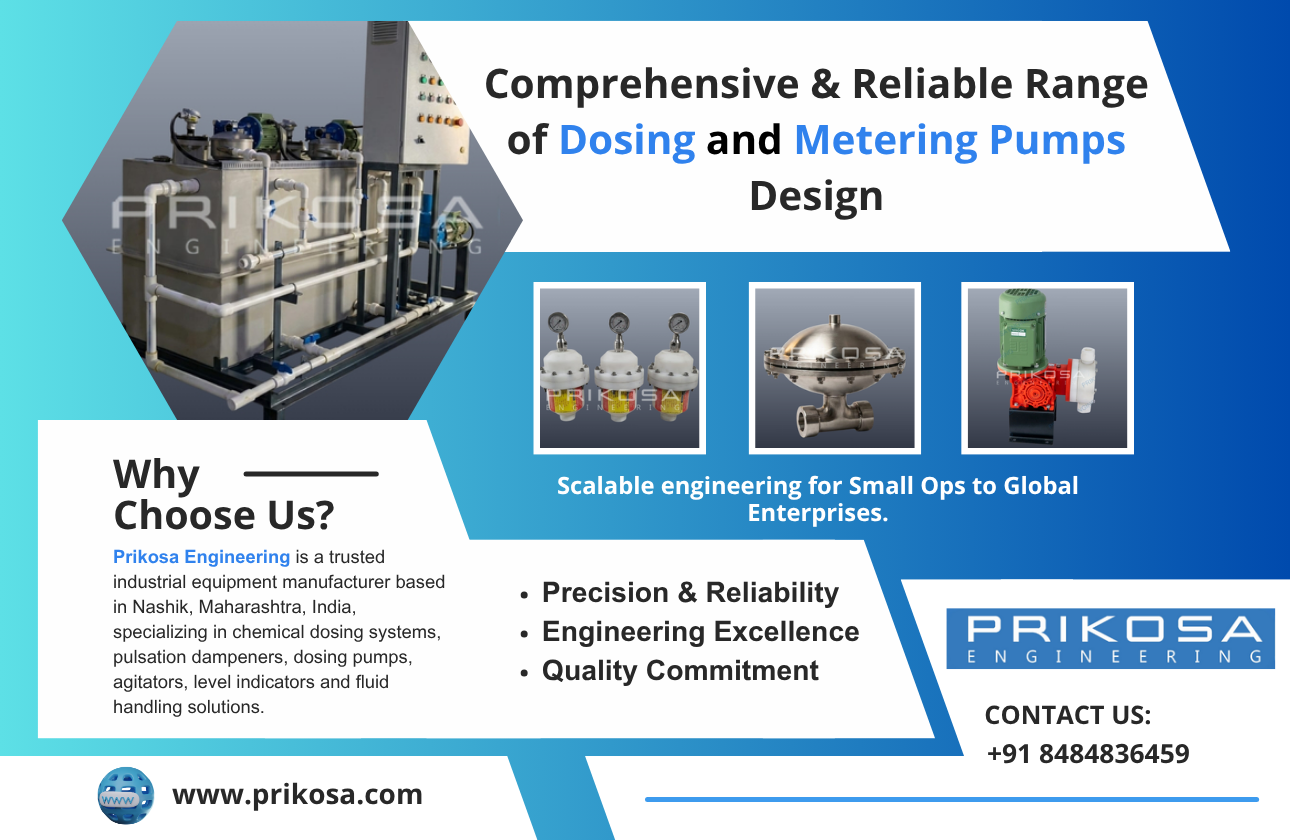
Understanding Polymer Dosing Systems for STP
Polymer dosing systems are essential components of a sewage treatment plant (STP). These systems are crucial for treating wastewater effectively and ensuring that solids and impurities are efficiently separated. But what exactly are polymer dosing systems and why are they so vital? In simple terms, a polymer dosing system injects a specific amount of polymer into the wastewater. This polymer acts as a coagulant that binds particulate matter together, making it easier to remove them from the water. By adding a polymer, these systems enhance the flocculation process, which is the clumping together of particles.
Importance of Polymer Dosing in Sewage Treatment
Implementing a polymer dosing system for STP is vital for a number of reasons. It allows for improved separation of solid waste from water, which is fundamental to the treatment process. Efficient solid separation translates to better management of sludge and reduced chances of environmental pollution. Additionally, with the right polymer dosing, treatment plants can operate more efficiently by speeding up processing times and reducing costs associated with chemical waste.
How Polymer Dosing Systems Work in STPs
The operation of polymer dosing systems for STP is fairly straightforward. The system consists of tanks that store the polymer, pumps that inject the polymer into the wastewater, and controls that adjust the amount and timing of polymer injection. When the polymer is added to the water, it induces the flocculation of small particles, making them larger and easier to filter out. This process is vital in removing the maximum amount of biological solids from the water.
Challenges in Polymer Dosing Systems
While polymer dosing systems are beneficial, they do present some challenges. For one, the correct type and amount of polymer must be precisely utilized. Using too little might mean ineffective treatment, while too much can increase costs and potentially harm downstream processes. Furthermore, fluctuations in wastewater composition can make it difficult to maintain consistent dosing levels. Another common issue is maintaining the equipment itself, ensuring pumps operate efficiently and storage tanks are clean and leak-free.
Choosing the Right Polymer for STP
Selecting the proper polymer is crucial for the success of a dosing system. The decision typically depends on the specific requirements of the STP and the characteristics of the wastewater being treated. Polymers vary based on their charge density and molecular weight, which influence their effectiveness in different treatment scenarios. It’s not uncommon for plant operators to conduct tests to determine the best polymer for their system, optimizing both performance and cost.
Advantages of Automated Polymer Dosing Systems
Automation in polymer dosing systems brings significant advantages to STPs. Automated systems can precisely control the amount of polymer added to the wastewater, based on real-time data, leading to consistent and effective treatment results. These systems reduce the need for manual operation, which minimizes human error and increases overall safety. Moreover, automation can lead to cost savings by optimizing polymer usage and reducing waste, ensuring the plant runs efficiently.
Implementing Polymer Dosing Systems in New STPs
Setting up polymer dosing systems for STP in new plants requires careful planning and execution. This includes selecting appropriate equipment that can handle the expected loads and demands. Proper installation is vital for ensuring the system runs smoothly from day one. Integration of the dosing system with existing plant controls is also necessary to monitor performance and identify any issues early on. Plant operators often work with experts to ensure all aspects of the polymer dosing system are tailored to the plant’s specific needs.
Maintaining Polymer Dosing Systems
Maintenance is a key component for the longevity and effectiveness of a polymer dosing system. Regular inspections and cleaning of equipment parts, such as strainers and pumps, are vital to prevent clogs and mechanical failures. Maintenance programs should also include checking the calibration of dosing pumps, ensuring they deliver the correct polymer quantities. Consistent maintenance not only prolongs the life of the system but also ensures continuous compliance with environmental regulations.
Comparing Manual and Automatic Polymer Dosing
There is a significant difference between manual and automatic polymer dosing systems. Manual systems rely on human intervention to adjust polymer levels, requiring constant monitoring and adjustment. This can lead to inefficiencies and potential human error. On the other hand, automatic dosing systems offer more precision and flexibility, adapting to the changing conditions of the wastewater. The automation allows for 24/7 operation without the constant need for surveillance, ensuring reliability and consistency.
Future Trends in Polymer Dosing Systems
The future of polymer dosing systems looks promising with technological advancements. Future trends indicate a shift toward smarter systems integrated with data analytics and AI. These advancements could result in predictive maintenance and more efficient, adaptive dosing strategies. Additionally, there's growing interest in the development of green polymers, which aim to reduce the environmental impact further. Embracing these trends enables STPs to not only enhance operational performance but also support environmental sustainability.
Frequently Asked Questions
1. What is a polymer dosing system?
Answer: A polymer dosing system is a setup in sewage treatment plants that injects polymers into wastewater to facilitate the clumping or flocculation of suspended particles, making it easier to separate solids from water.
2. Why is polymer dosing important in sewage treatment?
Answer: Polymer dosing is essential because it enhances the efficiency of the flocculation process, enabling better removal of solids, improving water quality, and reducing environmental harm.
3. How does an automated polymer dosing system differ from a manual one?
Answer: Automated polymer dosing systems operate based on pre-programmed controls and real-time data, offering precision and efficiency. Manual systems require human input and constant monitoring, making them less reliable and prone to errors.
4. What are the challenges of using polymer dosing systems?
Answer: Challenges include selecting the right polymer type and dosage, dealing with varying wastewater compositions, and maintaining equipment to avoid malfunctions.
5. What future trends are anticipated in polymer dosing systems?
Answer: Future trends include the use of AI and data analytics for smart dosing systems, the development of eco-friendly polymers, and improvements in automation technology for better efficiency and sustainability.