
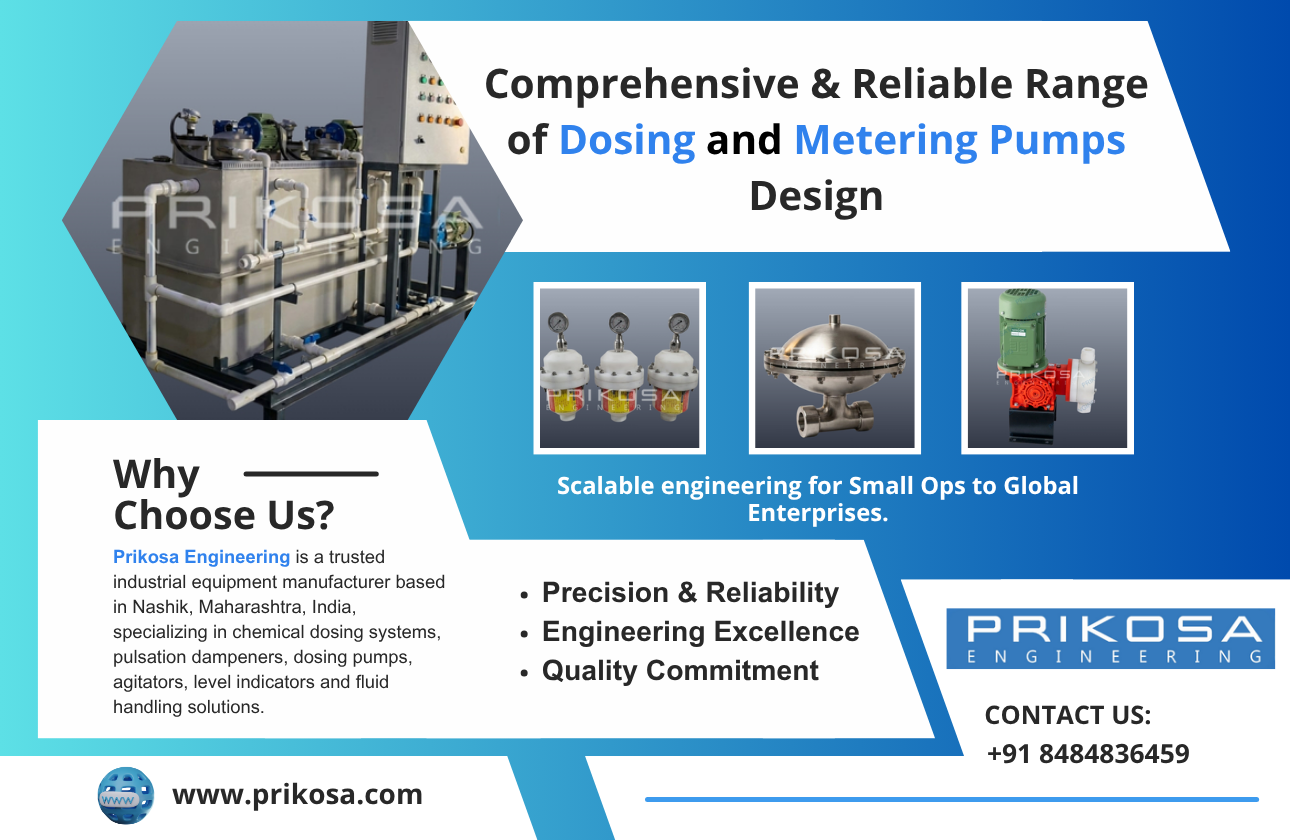
What is an Alum Dosing System?
An alum dosing system is a piece of equipment used to add alum, a chemical compound, to water systems for treatment purposes. This system is widely used in municipal water treatment facilities, industrial water purification, and even in certain agricultural applications. The basic principle involves adding small, controlled amounts of alum to water in order to cause impurities to clump together for easier removal. This process is critical in ensuring that water is clean and safe for consumption. It's a tried-and-true method that has been used in the water treatment industry for many years, praised for its efficiency and effectiveness.
How Alum Dosing Systems Work
The way an alum dosing system functions is both simple and intricate. The system typically consists of a storage tank for the alum solution, a dosing pump, and control mechanisms to adjust the dosing rate. When water enters the treatment facility, the alum solution is injected into the stream through the dosing pump. This addition leads to the formation of flocs or clusters of particles, which can then be easily removed by filtration or sedimentation. With precise alum dosages, these systems help maintain the efficacy of water treatment processes.
Benefits of Using Alum in Water Treatment
There are several benefits to using alum in water treatment processes. First and foremost, alum is highly effective in reducing turbidity, which means it can remove suspended particles that make water appear cloudy. It's also effective in removing other pollutants, such as phosphorus. Additionally, alum is generally safe to handle and use, making it a popular choice among water treatment professionals. Moreover, as highlighted in this comprehensive guide, alum is cost-effective and has a well-established record of regulatory acceptance.
Components of an Alum Dosing System
Every alum dosing system is equipped with several key components that work together to ensure effective operation. The main elements include the alum storage tank, where the chemical is kept; a dosing pump, which is responsible for injecting the alum into the water; control panels, to manage the process; and safety features to prevent over-dosing or spillage. These components need regular maintenance and calibration to ensure they are working correctly, as discussed in various resources like this essential guide. Regular check-ups help in avoiding any system failures that can disrupt the water treatment process.
Tips for Maintaining Alum Dosing Systems
Proper maintenance of an alum dosing system is critical for its longevity and functionality. Routine inspection of its components is essential. This includes checking the storage tank for any leaks or corrosion to ensure it is always intact. The dosing pump should be cleaned, and its filters should be checked to avoid clogging. Control panels need to be recalibrated periodically to maintain the accuracy of alum dosing. It's also wise to frequent resources like this sodium dosing guide for advice on similar maintenance to prevent common pitfalls.
Challenges Faced in Alum Dosing Systems
Although alum dosing systems are highly effective, they do come with their own set of challenges. Issues such as dosing inaccuracies can lead to problems like insufficient water purification or chemical wastage. There may also be operational challenges, such as equipment breakdown or clogging of the dosing pump. For optimal performance, it's crucial to monitor the system's operation closely and address any issues swiftly. A deeper look into these challenges can be found in various calibration column systems.
Frequently Asked Questions
1. Why is alum used in water treatment?
Answer: Alum is used because it's effective in removing particles like silt and microorganisms from water, thus improving clarity and safety.
2. How is alum introduced into the water system?
Answer: Alum is added using a dosing pump, which injects the alum solution into the water at a controlled rate.
3. What are the main components of an alum dosing system?
Answer: Key components include the alum storage tank, dosing pump, control panels, and safety features to manage dosage rates and other settings.
4. Is regular maintenance required for alum dosing systems?
Answer: Yes, regular maintenance is crucial to ensure the dosing system operates efficiently and accurately. This includes checking the tanks, pumps, and control systems regularly.
5. What challenges are associated with alum dosing systems?
Answer: Challenges can include dosing inaccuracies, equipment malfunction, and maintenance issues that can disrupt the effectiveness of the water treatment process.