
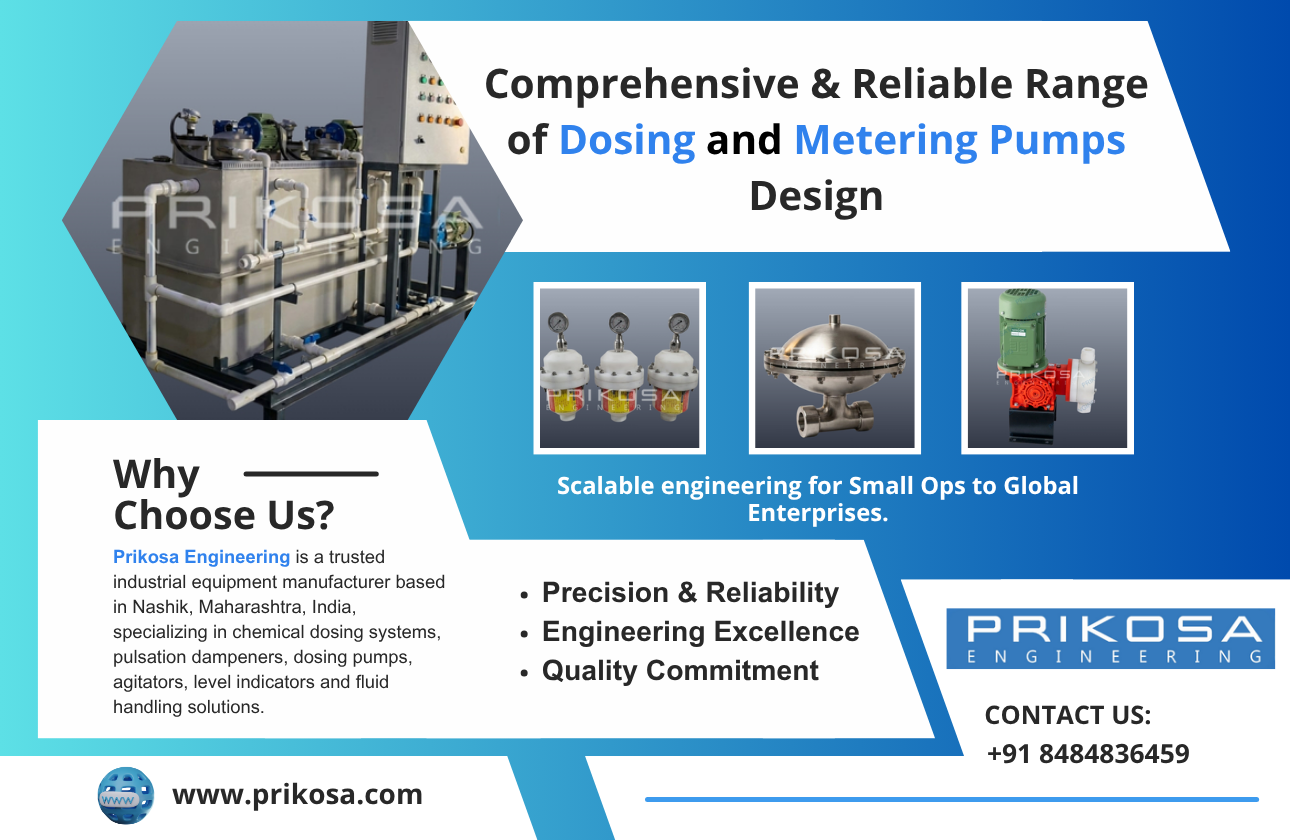
What is an HP Dosing System?
An HP dosing system, also known as a High-Pressure dosing system, is designed to handle the injection of chemicals or fluids at high pressures. This system is crucial in industries where precise dosing is required despite the high pressure, such as in oil and gas or power plants. The key feature of an HP dosing system is its resilience and ability to maintain accuracy despite operating under challenging conditions. In power plants, for example, it ensures the correct amount of cooling or cleaning chemicals are injected into boilers or turbines, crucial for maintaining plant efficiency and avoiding corrosion.
How Does an HP Dosing System Work?
The functionality of an HP dosing system is centered on its ability to handle and accurately dose fluids under high pressure. At the heart of the system are components like pumps, control systems, and injection nozzles, designed specifically to withstand high pressures. The pumps, often plunger or diaphragm types, play a critical role by precisely controlling the flow rate of the chemical being dosed. The system's control unit ensures that the chemicals are injected at the right place and time. This precision in operation helps industries meet their exact dosing requirements while maintaining safety and reliability.
Applications of HP Dosing Systems
HP dosing systems find their applications across various sectors such as petrochemicals, pharmaceuticals, and power generation. In oil and gas industries, these systems are used to inject chemicals into pipelines to prevent corrosion and improve flow. Power plants use HP dosing systems for maintaining water and steam quality, essential for preventing scale and corrosion in boilers. By ensuring accurate chemical delivery, these systems contribute significantly to reducing operational costs and maintaining equipment longevity.
Understanding LP Dosing Systems
Low-Pressure (LP) dosing systems, as the name suggests, are designed to work with lower pressure environments. These systems are generally used in applications where the pressure is not a critical factor, such as in water treatment plants or other similar settings. LP dosing systems are typically simpler in design and operation compared to their high-pressure counterparts, partly because they do not need to accommodate extreme pressure conditions. They incorporate pumps, piping, and metering equipment that safely and efficiently deliver substances like flocculants or disinfectants into a system, such as for treating drinking water.
How LP Dosing Systems Are Used
LP dosing systems are commonly used in water treatment and purification plants. Here, they add chemicals like coagulants or disinfectants to the water to make it safe for consumption or to prepare it for further industrial use. These systems are designed to be reliable and cost-effective, ensuring safe operation with minimal maintenance. LP dosing systems are also found in some commercial and residential settings, where they maintain proper chemical balances in heating systems or pool water, emphasizing their versatility and critical role in ensuring public health and safety.
The Benefits of Choosing the Right Dosing System
Choosing the right dosing system depends greatly on the specific needs of the project and the operating conditions. For high pressure and high stakes environments, HP dosing systems are essential. They offer durability and precision under stressful conditions, ensuring that operational safety and efficiency are maintained. On the other hand, LP dosing systems provide simplicity and ease of use for less demanding environments. Each type of system has its place, and understanding these distinctions can ensure the proper functioning and longevity of equipment in any industrial setting.
Frequently Asked Questions
1. What industries use HP dosing systems?
Answer: HP dosing systems are used in industries where high pressure is part of the operational environment, such as petrochemical, oil and gas, and power generation sectors.
2. Are LP dosing systems suitable for industrial use?
Answer: Yes, LP dosing systems are often used in industries like water treatment, where the precise control of chemical dosing at lower pressures is required.
3. What are the key components of an HP dosing system?
Answer: Key components include high-pressure pumps, control units, injection nozzles, and robust piping systems.
4. How do LP dosing systems contribute to cost savings?
Answer: LP dosing systems are simpler and often require less maintenance, providing an economical solution for applications with less stringent pressure requirements.
5. Does the water treatment industry benefit more from HP or LP dosing systems?
Answer: The water treatment industry typically benefits from both, using LP dosing systems for general chemical dosing needs and HP systems if high-pressure conditions are involved.