
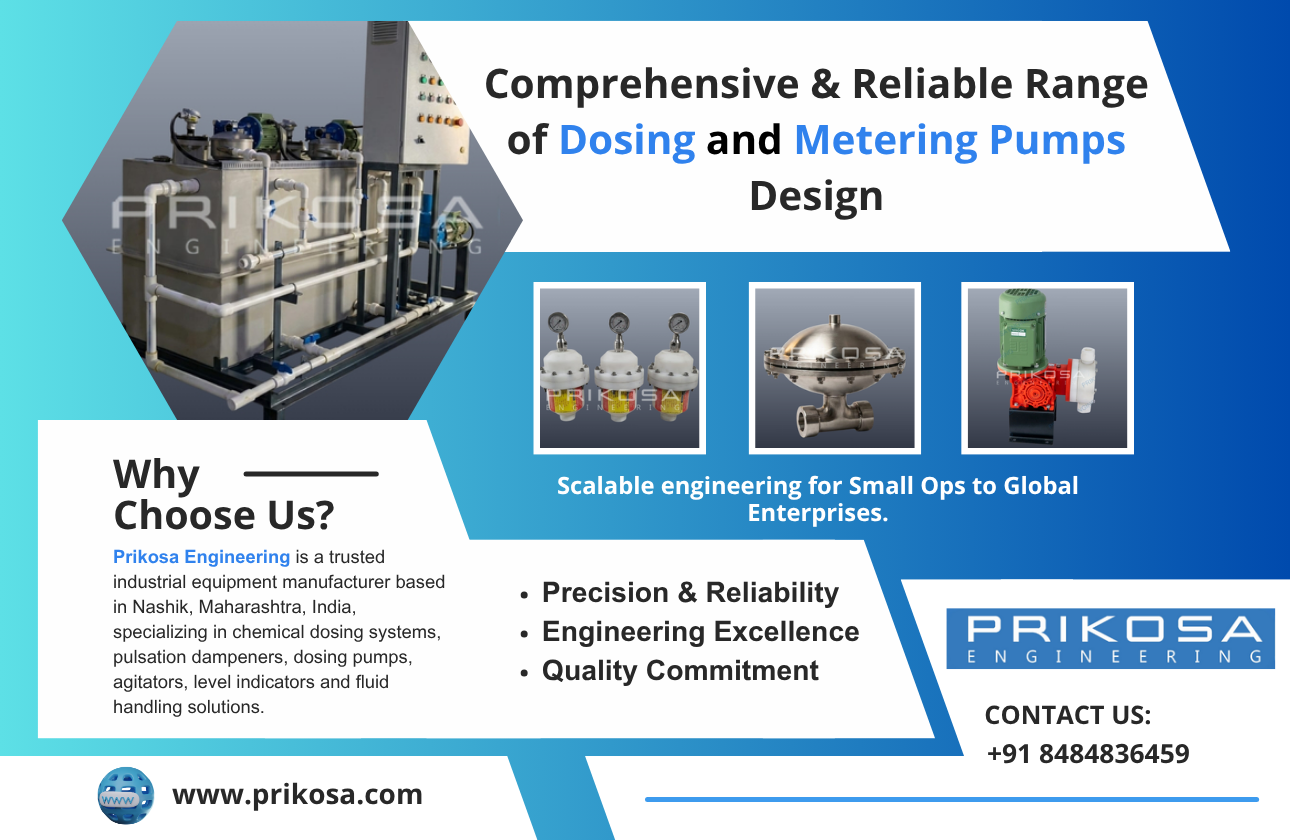
Understanding Flocculant Dosing Systems
Flocculant dosing systems are a crucial part of water treatment processes. They work by adding chemicals, known as flocculants, to water or wastewater to remove suspended particles. This process is essential in making water clearer and safer. The flocculants help in gathering tiny particles together, forming larger clumps called flocs. These flocs can then be easily separated from the liquid. This step is vital in industries and municipal water treatment facilities worldwide. Efficiency and consistency in dosing are what make these systems so valuable, ensuring that the quality of water meets the required standards.
Why Choose Flocculant Dosing Systems?
The primary benefit of using a Flocculant Dosing System is its ability to precisely control the amount of flocculant being added to the water. Accurate dosing ensures optimal performance of the treatment process, reducing chemical usage and minimizing costs. These systems are versatile and can be customized to handle different types of flocculants and varying water conditions. This adaptability makes them suitable for various applications, from treating drinking water to managing industrial effluents. As environmental regulations become stricter, the demand for effective and efficient dosing systems continues to grow, highlighting their importance in sustainable water management.
Exploring Automatic Flocculant Dosing Systems
An Automatic Flocculant Dosing System takes the process a step further by integrating technology for continuous monitoring and adjustment. These systems use sensors and control units to automate the dosing process, improving accuracy and reducing human error. With automation, the system can react to changes in water quality in real-time, ensuring the treatment process is consistently effective. This leads to better-quality effluent and optimized chemical usage. Moreover, automatic systems are user-friendly, often requiring minimal oversight, and provide detailed data that can help operators make informed decisions about the treatment process.
Benefits of Automating Flocculant Dosing
Automation in flocculant dosing offers numerous advantages. One significant benefit is consistency. By continuously monitoring water conditions and adjusting the dosage automatically, these systems maintain optimal treatment levels without manual intervention. This not only improves the efficiency of the water treatment process but also saves time and labor costs. Additionally, automated systems can reduce chemical waste, leading to cost savings and a more environmentally friendly operation. By integrating these systems, Businesses can ensure compliance with environmental standards and promote sustainable practices.
Choosing the Right Flocculant Dosing System
When selecting a flocculant dosing system, it's important to consider factors like the type of water being treated, the specific flocculants used, and the required flow rates. It's advisable to consult with experts to determine the appropriate system setup that matches your specific needs. Many manufacturers offer customized solutions and can provide guidance on the best system for your application. It's also wise to consider automation options if you aim for efficiency and cost-effectiveness in the long term. To explore more about getting a system that precisely fits your needs, you can check out articles like This Guide.
Maintaining Flocculant Dosing Systems
Maintenance plays a vital role in ensuring the longevity and performance of flocculant dosing systems. Regular maintenance checks can prevent potential issues, reduce downtime, and prolong the lifespan of the equipment. It's essential to keep an eye on pump conditions, replace worn-out parts, and ensure that sensors are clean and calibrated. Maintenance routines should be a part of the operational protocol, helping to maintain system functionality over time. If you're new to maintaining these systems, it's recommended to read more from expert resources like This Detailed Guide.
Frequently Asked Questions
1. What is a flocculant dosing system?
Answer: A flocculant dosing system is used to introduce flocculants into water or wastewater to remove impurities and particles. This process ensures water clarity and safety by forming larger particle aggregates that can be easily separated.
2. Why is automation important in dosing systems?
Answer: Automation in dosing systems allows for precise control over chemical dosing, reduces human error, and improves efficiency by automatically adjusting to changes in water quality.
3. How do you maintain a flocculant dosing system?
Answer: Maintenance involves regular checks on pumps, replacing parts as needed, and ensuring sensors are clean and calibrated. Regular maintenance ensures optimal performance and longevity.
4. Can these systems be customized?
Answer: Yes, most flocculant dosing systems can be customized based on the application requirements, such as the type of water, specific flocculants used, and desired flow rates.
5. Are flocculant dosing systems environmentally friendly?
Answer: Yes, when used properly, these systems can reduce chemical waste and ensure effective treatment of water, contributing to environmental sustainability.