
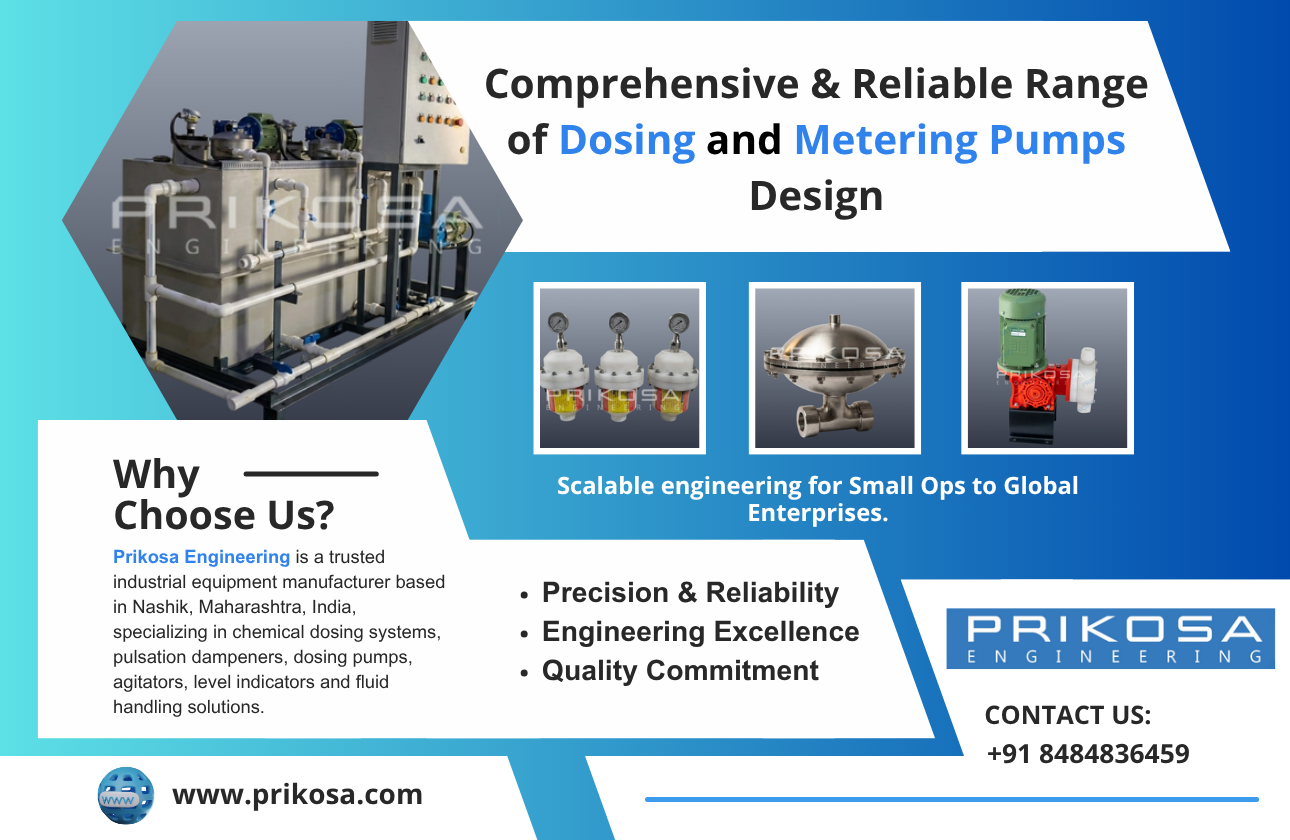
Introduction to Pulsation Dampeners
Pulsation dampeners are essential components in a variety of fluid handling systems, including dosing pumps. Their primary role is to ensure a smooth and continuous flow of fluid, helping to mitigate the pulsating motion inherent in pump operations. This guide delves into pulsation dampeners, focusing on their application in dosing pumps, explaining why they are critical for effective dosing processes. It's crucial to grasp how these devices function and why they are indispensable in maintaining the efficiency of pump systems.
What is a Pulsation Dampener?
Pulsation dampeners are designed to reduce the variations in pressure and flow within a pumping system. When a pump operates, it creates pulses with each stroke, which can lead to uneven flow and vibrations. These fluctuations can cause wear and tear on the system, potentially leading to premature failures or inefficiencies. Pulsation dampeners act by absorbing the hydraulic shock produced during each pump stroke. By holding this energy temporarily, they release it slowly back into the system, smoothing out the flow. This results in a consistent and steady fluid movement, which is vital for the accurate dosing provided by these systems.
Pulsation Dampener for Dosing Pump
Specific to dosing pumps, pulsation dampeners for dosing pumps are crucial for precision and accuracy. Dosing pumps require an accurate flow measurement to deliver the right amount of chemicals or other substances. Any inconsistency in the flow can result in under-dosing or overdosing, which could be detrimental to the process the pump supports. With a pulsation dampener installed, the frequent pulses produced by dosing pumps are evened out. This ensures that there is minimal disruption in flow, leading to an accurate dosage each time. It's particularly important in industries where precision is not just beneficial but necessary, such as in chemical processing or water treatment.
Benefits of Using Pulsation Dampeners
Utilizing pulsation dampeners in dosing pump systems offers a wealth of benefits. Primarily, they enhance the performance and lifespan of the pump by minimizing the stress caused by pulsations and vibrations. This results in reduced maintenance costs and downtime. Furthermore, pulsation dampeners also improve the accuracy and consistency of the dosage delivered. Having a steady and regular flow is vital in maintaining operational standards, especially in sensitive applications. Additionally, these dampeners can enhance safety by avoiding pressure surges that might cause system damage or risk to personnel.
Choosing the Right Pulsation Dampener
Selecting the correct pulsation dampener for your system requires understanding your specific requirements. Factors such as pressure, flow rate, fluid type, and temperature must be considered to ensure you choose the most effective dampener for your system. Some dampeners are specifically designed to suit particular types of dosing pumps or specific fluid media. Consulting with specialists or referring to manufacturer guidelines can provide valuable information when selecting a pulsation dampener that aligns best with the specifications of your [dosing pump].
Installation and Maintenance
Proper installation and regular maintenance of pulsation dampeners are crucial for their effective operation. During installation, it's essential to follow the manufacturer's instructions precisely. Correct positioning will ensure that the dampener functions optimally. Regularly checking for wear and tear or any potential leaks is vital for ongoing maintenance. Replacing or servicing parts that show signs of degradation can prevent more significant issues from developing. This attention to detail in installation and maintenance helps in maximizing the benefits derived from these devices.
Common Challenges and Troubleshooting
Though beneficial, pulsation dampeners can pose challenges if not managed correctly. Issues such as pressure imbalances, leaks, or material wear can impact functionality. Troubleshooting these problems involves routine diagnostics like pressure testing or flow assessments to pinpoint anomalies. Engaging in troubleshooting ensures that any fluctuations are promptly addressed, maintaining the system’s efficiency. Consulting professional technicians for complex issues can be beneficial to identify either sodium flocculant dosing pump adjustments or complete dampener replacement where necessary.
Conclusion: Optimizing Dosing Systems
In conclusion, the strategic use of pulsation dampeners significantly enhances dosing pump operations. By minimizing pulsation effects, improving accuracy, and extending equipment life, they play a crucial role in optimizing operational processes. For any industry reliant on precise dosing systems, investing in the appropriate dampeners is a savvy choice. Such investment ensures not only enhanced process efficiency but also provides a safeguard against mechanical wear and potential process interruptions.
Frequently Asked Questions
1. What is the main function of a pulsation dampener in a dosing pump?
Answer: A pulsation dampener is primarily used to smooth the flow by absorbing the pulse wave generated by the pump. This helps maintain a consistent flow and pressure, reducing system fluctuations.
2. How does a pulsation dampener enhance the efficiency of a dosing pump?
Answer: By reducing pulsations and ensuring a steady flow, a dampener enhances dosing accuracy and minimizes mechanical stress on the pump components, which prolongs the system's lifespan.
3. What factors should be considered when choosing a pulsation dampener?
Answer: You should consider the pressure, flow rate, fluid characteristics, and temperature of the operation environment to select the most suitable dampener for your dosing pump system.
4. Can a pulsation dampener reduce maintenance costs?
Answer: Yes, by mitigating pulsations and wear on the system, a dampener reduces the frequency of repairs and replacements, leading to lower maintenance costs over time.
5. Are there specialized pulsation dampeners for different types of fluids?
Answer: Yes, there are dampeners designed for specific fluid types and applications, ensuring compatibility and optimal performance for various industrial needs.