
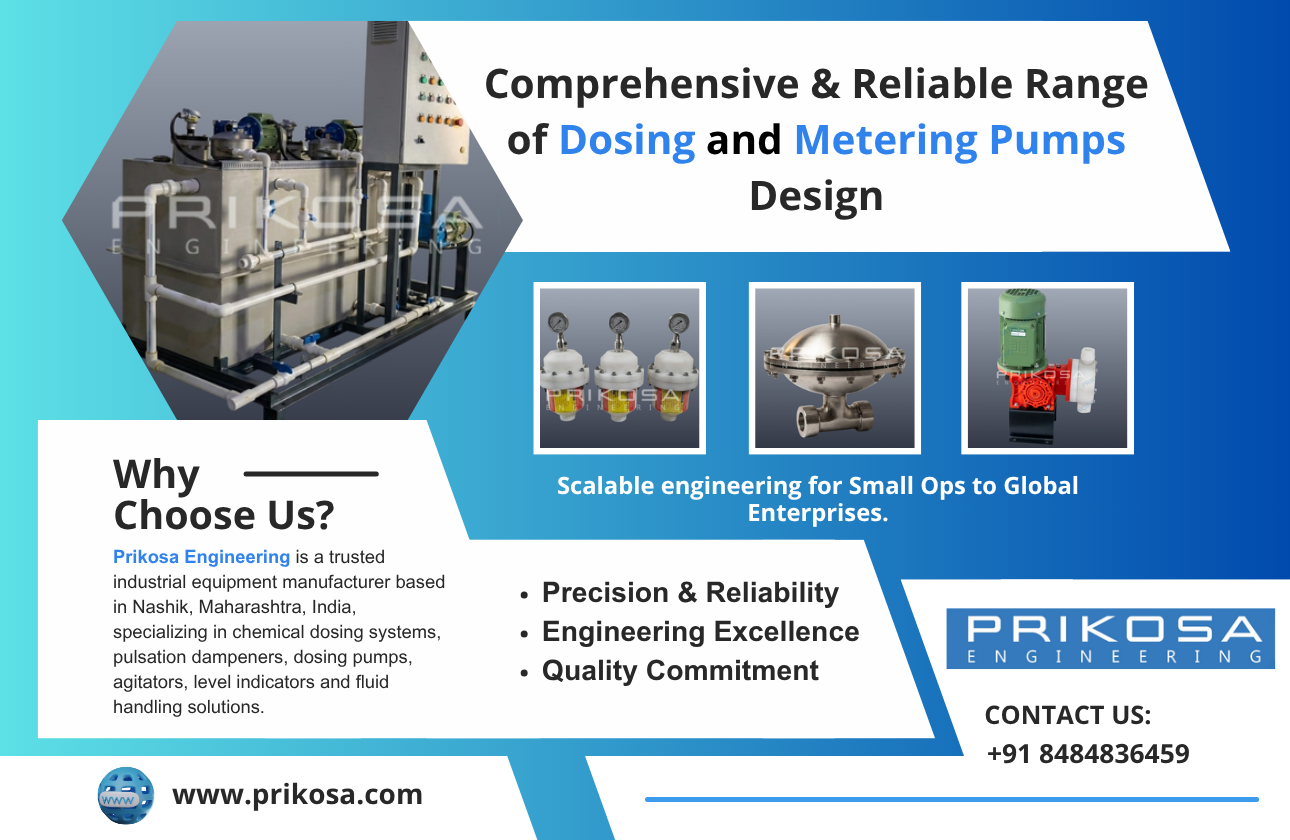
Introduction to Dosing Pumps
Dosing pumps play a crucial role in a wide range of industries, supplying accurate volumes of chemicals and fluids for diverse processes. These pumps are essential for delivering precise amounts of liquid, ensuring system efficacy and safety. Their application spans various fields including pharmaceuticals, agriculture, food and beverage production, and water treatment. Understanding the intricacies of dosing pumps will help users select the right type of pump for their specific needs.
The Mechanics Behind Dosing Pumps
Dosing pumps are specially designed machines engineered to manage the accurate flow and pressure of various liquids. They are equipped with controls that adjust the volume and rate of chemical dispensed, ensuring the process is efficient and controlled. Most dosing pumps come with a diaphragm, piston, or peristaltic mechanism, each with unique advantages. Understanding these mechanisms can aid in determining the right choice for varying operational requirements. For those interested in an in-depth exploration, visiting resources on sodium hypochlorite dosing pumps can be quite insightful.
Applications of Dosing Pumps in Everyday Industries
From treating water to creating delicious sodas, dosing pumps are integral in several manufacturing and processing activities. For instance, in water treatment, they help in maintaining pH levels and limiting impurities, ensuring safety and quality. In food production, dosing pumps are critical in adding precise flavors, preservatives, and colors. Their versatility is unmatched, playing a pivotal role in agriculture for fertilizer distribution too. A detailed guide to applications can be found in various dosing pump insights.
Understanding Dosing Pump Technology
Modern dosing pump technology has significantly evolved to provide digital control options and wireless monitoring. This allows operators to manage dosing operations remotely, improving safety and efficiency. Users can set precise dosing parameters and monitor pump performance through integrated IoT technology. Innovations are continually developed, offering more efficient, reliable pumps with a smaller environmental footprint. Exploring more about this can broaden understanding of chemical dosing systems.
Selecting the Right Dosing Pump
Choosing the correct dosing pump involves several factors, including the nature of the liquid being pumped, the desired flow rate, and pressure requirements. Understanding these elements will aid in the selection of a pump that will meet the operational demands effectively. It's useful to evaluate each application's unique demands and consult detailed guides like the multi-chemical dosing systems guide to ensure compatibility and efficiency.
Maintenance of Dosing Pumps
Regular maintenance ensures the longevity and optimal performance of dosing pumps. Routine checks should include inspections of valves, hoses, and seals to prevent leaks and malfunctions. Having a preventative maintenance schedule will not only enhance the lifespan of the pump system but also safeguard against unexpected downtimes. Resources on sodium flocculant dosing pumps provide helpful insights.
Safety Considerations When Using Dosing Pumps
Safety is paramount when handling dosing pumps, especially those dealing with hazardous chemicals. Operators must use the correct PPE and be trained in safety protocols to avert exposure risks. Installing pumps in well-ventilated areas and ensuring emergency shutoff capabilities are essential measures. More detailed safety considerations are available in literature on alum dosing systems.
Introduction to Chemical Dosing Pumps
Chemical dosing pumps address the need for intricate chemical handling across multiple industries. These pumps distinguish themselves through the precise handling and dispensing of chemicals that require specific dosing to prevent contamination or unbalanced mixtures. They are specialized to manage corrosive or viscous chemicals efficiently, making them indispensable in certain sectors like chemical manufacturing and processing plants. Dive into detailed resources like the chemical dosing systems guide to gain further insights.
Benefits of Chemical Dosing Pumps
The benefits of using chemical dosing pumps are broad and impactful. They provide accuracy, reliability, and repeatability, crucial attributes for consistent production quality. Additionally, these pumps help in reducing waste and operational costs by minimizing human error in the dosing process. For a deeper understanding of productivity benefits, checking out the discussion on pulsation dampeners is recommended.
Frequently Asked Questions
1. What industries commonly use dosing pumps?
Answer: Dosing pumps are widely used in industries like water treatment, food and beverage, pharmaceuticals, and agriculture. Their versatility in handling different substances makes them suitable for these diverse fields.
2. How can I ensure my dosing pump is operating efficiently?
Answer: Regular maintenance is key. This includes checking and replacing worn-out parts, maintaining clean filters, and ensuring the pump is not exposed to unwanted chemical reactions.
3. What are the key features to look for in a dosing pump?
Answer: Key features include the ability to handle the liquid's chemical properties, the desired flow rate, pressure requirements, and any unique technological features such as digital control panels.
4. Are chemical dosing pumps difficult to operate?
Answer: Although chemical dosing pumps require a clear understanding of the chemicals being used, they are generally straightforward to operate once programmed. Operator training is crucial to ensure safe and efficient use.
5. How do I know which dosing pump is right for my application?
Answer: Assess the chemical properties of the liquid, flow rate required, and the operational environment. Consulting with manufacturers or professionals can aid in selecting the correct pump.