
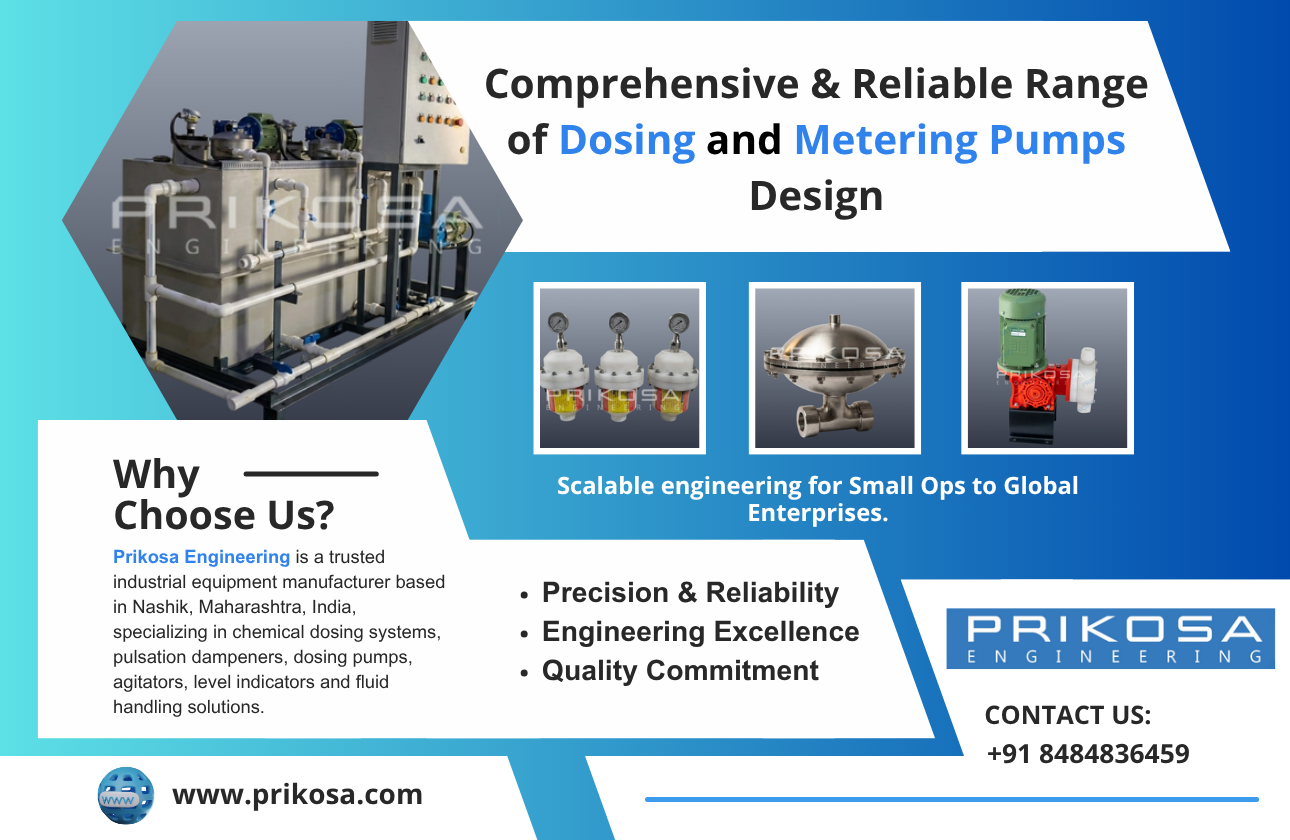
Introduction to Sodium Flocculant Dosing Pumps
Sodium flocculant dosing pumps are essential components in water treatment and industrial settings. These pumps expertly manage the precise addition of sodium-based flocculants to water and other solutions. Flocculants help to aggregate tiny particles into larger aggregates, making them easier to be filtered out or settled. Pumps handle the delicate task of ensuring just the right amount of flocculant is mixed at the right time. Incorrect dosing can prove costly, either by wasting chemicals or failing to adequately treat the water, thus affecting the entire process. Understanding the mechanics and importance of sodium flocculant dosing pumps can help in optimizing your operation’s efficiency.
Working Principle of Sodium Flocculant Dosing Pumps
Understanding the working principle of sodium flocculant dosing pumps is vital for using them effectively. Essentially, these pumps operate by drawing in a precise amount of sodium flocculant solution to inject into a fluid system. The system might involve sewage treatment plants, industrial wastewater, or any scenario where solid-liquid separation is necessary. This all happens via positive displacement, ensuring constant flow rates despite changing pressures. These pumps are often controlled via automated systems to precisely adjust the rate of the flocculant based on real-time data, ensuring high accuracy and efficiency in water treatment processes. With this control mechanism, they deliver a consistent, reliable operation tailored to various industrial needs.
Applications of Sodium Flocculant Dosing Pumps
The applications of sodium flocculant dosing pumps are diverse and extend across multiple industries. In water treatment plants, they are used to clarify drinking water by removing impurities effectively. In mining, they facilitate the separation of ores from water. Manufacturing industries, including paper and pulp, often utilize these pumps to treat wastewater before discharge into the environment, thus meeting regulatory requirements. Even the food and beverage industry relies significantly on proper dosing systems to maintain wastewater treatment standards. These applications underscore the importance of sodium flocculant dosing pumps in maintaining environmental standards and supporting various production processes.
Benefits of Using Sodium Flocculant Dosing Pumps
There are several notable benefits to using sodium flocculant dosing pumps. They help in enhancing the effectiveness of the water treatment process by ensuring accurate chemical usage, thus reducing waste and monitoring costs. Moreover, they support sustainable operations by safeguarding water quality and helping companies meet stringent environmental standards. In addition, these pumps contribute to lowering operational and energy costs since the dosing process is automated and highly efficient. Another advantage is their flexibility in handling varied water qualities, making them indispensable in dynamic industrial environments. Get more insights on their benefits in this guide.
Types of Dosing Pumps Used for Sodium Flocculant
There are different types of dosing pumps used specifically for sodium flocculant. These include diaphragm pumps, piston pumps, and peristaltic pumps, each having distinct functionalities. Diaphragm pumps, for example, use a diaphragm and valves on either side, creating a pumping action by elastic deformation. They are often preferred for their ability to handle corrosive environments and ensure zero leakage. Piston pumps, utilizing a piston, offer high pressure and accuracy, making them ideal for applications with stricter dosing requirements. Finally, peristaltic pumps work by compressing a hose or tube with rollers, which is ideal for handling high-viscosity solutions with minimal contamination risks. For more about diaphragm pumps, check this diaphragm pump guide.
Key Features to Look for in a Sodium Flocculant Dosing Pump
When selecting a sodium flocculant dosing pump, certain key features should be considered. These include material compatibility to prevent corrosion from the chemicals, accuracy in dosing for precise flocculation, and automated controls for efficient operation. It is also crucial to find pumps with good handling capacities and the ability to operate at varying pressures and temperatures. Furthermore, maintenance ease is an important feature to ensure the long lifespan of the pump. A comprehensive understanding of these features can significantly aid in choosing the right pump for your specific needs.
Installation and Maintenance Tips
Proper installation and regular maintenance are essential to ensure the longevity and effectiveness of sodium flocculant dosing pumps. Begin with ensuring that the installation area is clean and free of contaminants. Piping should be thoroughly checked for leaks, and electrical connections must be secure. Periodic maintenance includes checking seals, valves, and diaphragms for wear and tear. It is also crucial to regularly calibrate the pump to maintain consistency in dosing. For detailed maintenance instructions, consult the guides on chemical dosing systems.
Understanding the Cost of Sodium Flocculant Dosing Pumps
The cost of sodium flocculant dosing pumps can vary based on their type, capacity, and automated features. While the initial investment may seem significant, the long-term savings in chemical costs and reduction in manual intervention justify the expense. Automated systems provide more efficiency and accuracy, which can enhance the ROI by minimizing operational hiccups and chemical waste. Moreover, considering maintenance and potential downtime costs is important when evaluating the total cost of these pumps. For cost-efficient solutions, see the Sodium Flocculant Dosing Pump page.
Common Challenges and How to Overcome Them
Sodium flocculant dosing pumps are generally efficient, though not without challenges. Common issues include clogging from impurities, incorrect dosing due to calibration errors, and wear and tear leading to leaks. To mitigate these challenges, regular maintenance and real-time monitoring are necessary. Upgrading to more modern systems with automated features can help overcome these hurdles by providing real-time data for prompt action. Keeping the system free from contaminants and ensuring timely repairs can significantly extend the life of the pumps. These insights are further explored in this comprehensive guide.
Frequently Asked Questions
1. What is a sodium flocculant dosing pump?
Answer: A sodium flocculant dosing pump is a device used to inject precise amounts of sodium flocculant into a water system. It helps in aggregating particles for easier removal, making it crucial for water treatment processes.
2. Why are sodium flocculant dosing pumps important?
Answer: They are important because they ensure the right amounts of flocculant are used in treatment processes, thus improving water quality and reducing waste and costs.
3. What industries use sodium flocculant dosing pumps?
Answer: Industries like water treatment, mining, paper and pulp, and food and beverage heavily rely on these pumps for efficient production processes and regulatory compliance.
4. What are the types of sodium flocculant dosing pumps available?
Answer: The most common types are diaphragm pumps, piston pumps, and peristaltic pumps, each having unique benefits suitable for different applications.
5. How do you maintain a sodium flocculant dosing pump?
Answer: Maintenance involves regular checks for leaks, contamination, and mechanical wear. Calibration and system cleaning are also essential maintenance activities to ensure pump longevity and efficiency.