
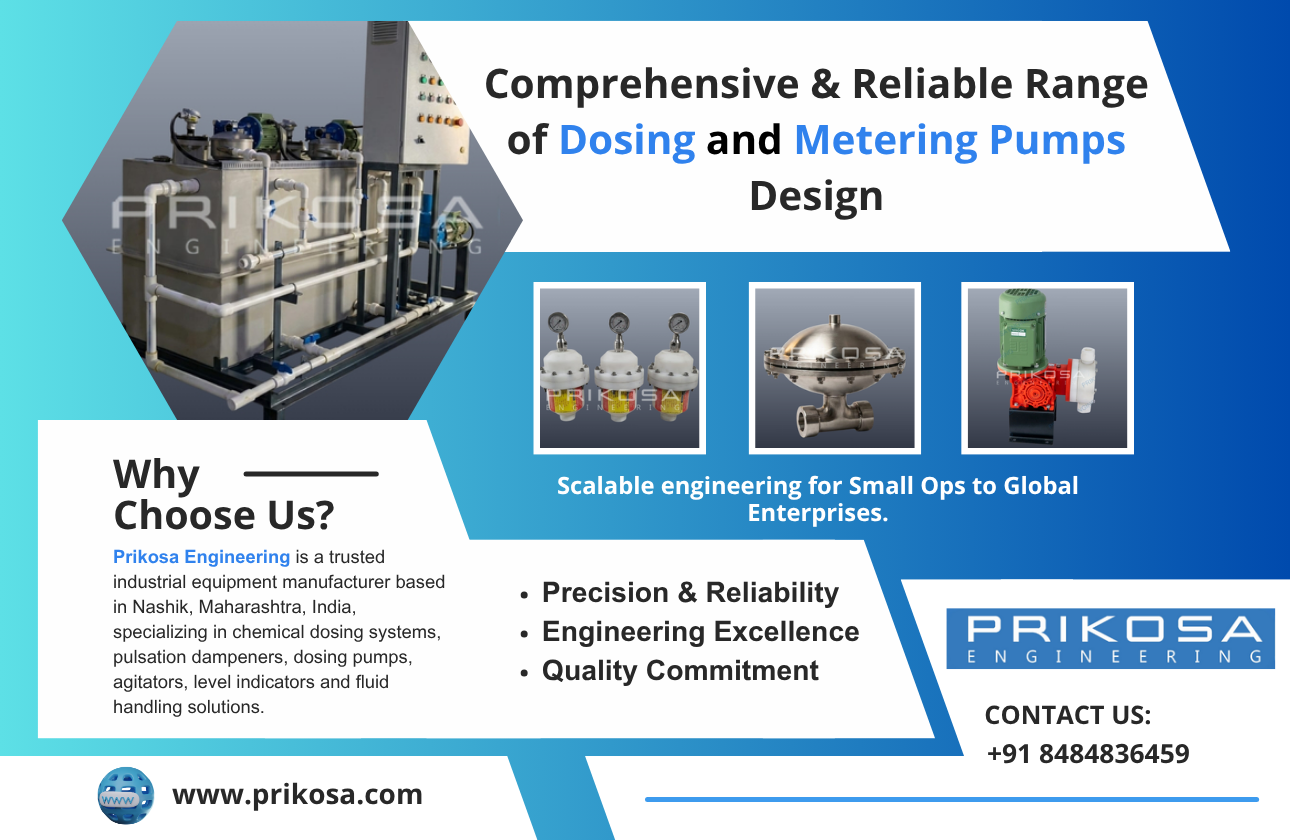
Introducing Automatic Floc Dosing Units
In water treatment processes, maintaining the correct chemical balance is crucial. One of the essential components used in treatment plants is the Automatic Floc Dosing Unit. This system helps in the precise addition of flocculants, which are chemicals that aid in the clumping and settling of particles in water. This precision is vital to ensure efficient separation of solids and to maintain clean water output, making the unit a must-have for any water treatment facility.
What Makes Automatic Floc Dosing Units Essential?
Automatic floc dosing units play a crucial role in water and wastewater treatment. Their ability to automate the dosing process means a reduction in human error and consistent performance. Manual dosing requires constant monitoring and adjustments, which can be labor-intensive and prone to inaccuracies. An automatic unit, however, can continuously adjust the dosing based on the water's characteristics, ensuring optimal flocculation processes and improved treatment efficiency.
Components of an Automatic Floc Dosing Unit
These units are equipped with various components that work together to ensure precise dosing. This includes storage tanks for storing flocculants, pumps to control the flow rate, and sensors that monitor the water quality. The sensors feed data to a control system, which then adjusts the dosing rate as needed. This level of automation reduces the need for manual intervention and enhances the effectiveness of the treatment process.
Benefits of Using Automatic Floc Dosing Units
The benefits gained from employing an Automatic Floc Dosing Unit are substantial. Not only do they improve the consistency and quality of water treated, but they also reduce operational costs and labor requirements. Additionally, these units are designed to respond in real-time to changes in water quality, which ensures that the right amount of chemicals is always used. This adaptability can lead to significant cost savings over time by minimizing wastage.
Installation and Maintenance of Automatic Floc Dosing Units
Installing an automatic floc dosing unit is generally straightforward but requires attention to detail to ensure proper function. Maintenance, on the other hand, involves regular checks of the pumps and sensors to ensure everything is operating correctly. Regular maintenance can prevent breakdowns and extend the lifespan of the unit. Many systems now offer remote monitoring capabilities, allowing technicians to spot issues before they become significant problems, similar to learning more about automatic floc dosing units in detail.
Adopting Automation in Water Treatment
The adoption of automatic dosing technologies is increasingly gaining traction in the water treatment industry. With smart systems becoming more prevalent, plants can operate more efficiently and with reduced environmental impact. Automated systems do not only save on the operational costs but also play a significant part in enhancing the sustainability of water treatment processes. By implementing these systems, companies are paving the way for future innovations in this field.
Frequently Asked Questions
1. What is a flocculant?
Answer: A flocculant is a chemical substance used in water treatment to help particles bind together and form a floc, which then settles at the bottom, making it easier to remove impurities.
2. How does an automatic floc dosing unit work?
Answer: It works by automatically measuring and administering the correct amount of flocculant into the water based on real-time data from sensors, optimizing the treatment process.
3. Are automatic dosing units cost-effective?
Answer: Yes, by automating the process, these units reduce labor costs and minimize chemical waste, leading to long-term cost savings.
4. What maintenance does an automatic floc dosing unit require?
Answer: Regular maintenance involves checking pumps and sensors, cleaning the equipment, and ensuring all components function correctly to avoid any disruptions or damage.
5. Can an automatic floc dosing unit adjust to different water qualities?
Answer: Yes, the unit can adapt to changes in water quality. It automatically adjusts the dosing to maintain optimal performance and treatment standards.