
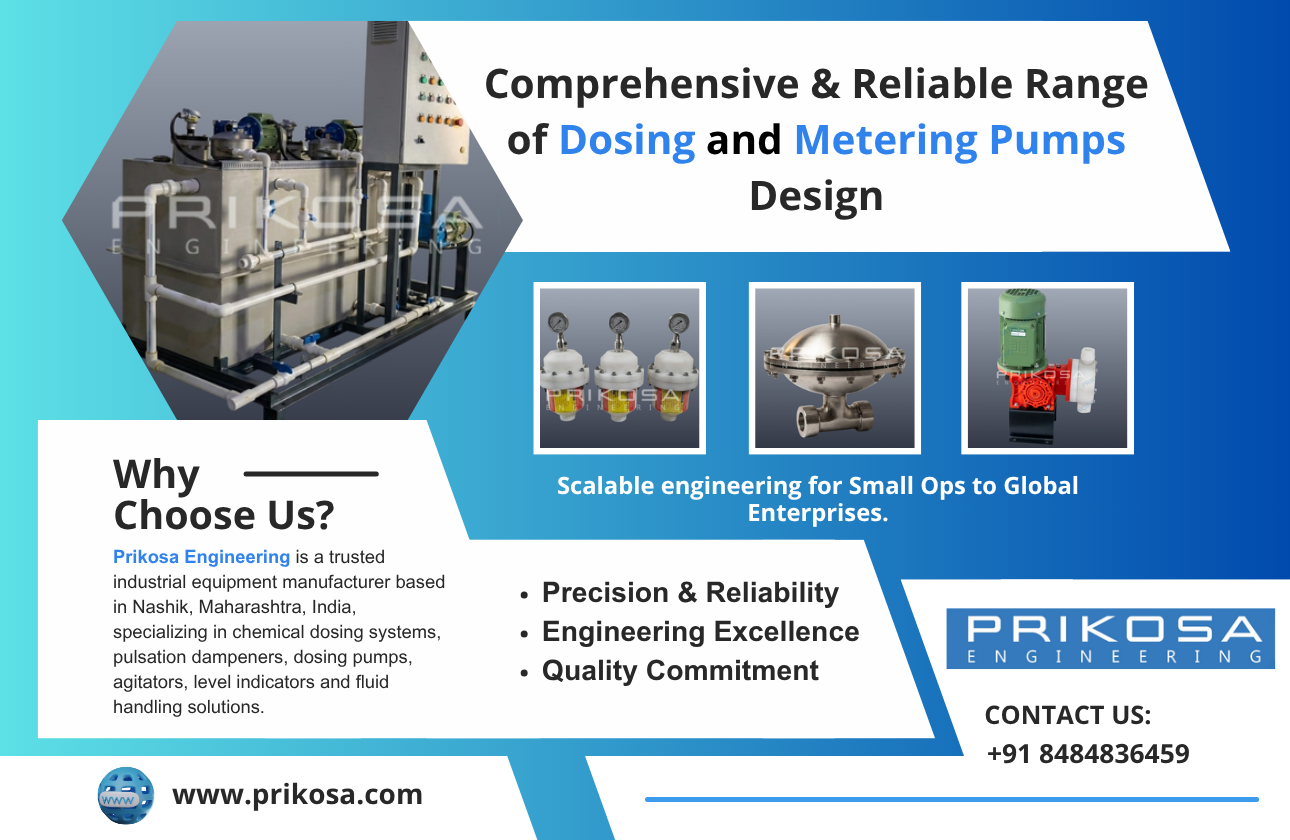
Introduction to Polymer Dosing Systems
Polymer dosing systems are fundamental components in many water treatment processes, particularly in sewage treatment plants, or STPs. These systems are designed to introduce precise amounts of polymers into the water to help separate solids from liquids efficiently. This process is crucial in ensuring that the water treatment is effective and that the output water is clean and safe for various uses. In this guide, we’ll delve into the nuances of polymer dosing systems, focusing on their applications in STPs.
What is a Polymer Dosing System?
A polymer dosing system is a setup that mixes and meters polymers into a water system. Polymers, in this context, act as flocculants, which assist in aggregating tiny particles into larger ones. This facilitates easier removal of solids from water. [For more insight into flocculant systems, visit this guide]. The primary components of a polymer dosing system include a storage tank, dosing pump, mixing unit, and control unit. Together, these components ensure the polymer is properly dosed in the right concentration to achieve optimal results.
Why Use Polymer Dosing Systems in STPs?
Sewage treatment plants benefit greatly from polymer dosing systems because they enhance the processes of sedimentation and sludge dewatering. The effectiveness of clarifying wastewater relies on the removal of solid wastes, which is where a polymer dosing system excels. Using these systems in STPs leads to increased efficiency in the treatment process and reduced operational costs. For a detailed exploration, access the comprehensive guide here.
Components of a Polymer Dosing System
Understanding the components of a polymer dosing system can explain how these systems function. The storage tank holds the polymer solution, which is then metered through a dosing pump that regulates the polymer flow into the mixing chamber. The mixing unit ensures the polymer blends evenly with the incoming water or sludge, while the control unit oversees operation settings, maintaining system performance. Additionally, polymer dosing systems are often automated for efficient functionality.
Choosing the Right Polymer
Different types of polymers can be used in dosing systems, and choosing the right one depends on the specific requirements of the STP. The decision involves understanding the chemical properties that will work best for the size and type of particles in the wastewater. There are two main types of polymers: cationic and anionic. Cationic polymers are generally used for positively charged particles, while anionic polymers work best with negatively charged particles. The choice greatly affects the efficiency of the polymer dosing system.
Benefits of Polymer Dosing Systems in STPs
The integration of polymer dosing systems in sewage treatment plants adds several benefits. The most significant is the enhanced removal of suspended solids, which allows STPs to deliver higher quality effluent water. Additionally, these systems can markedly reduce the volume of sludge, leading to less handling and disposal problems, cost savings, and compliance with environmental regulations. Furthermore, this leads to fewer interruptions in the overall treatment process.
Automating Polymer Dosing Systems
Automation in polymer dosing systems has transformed their operation by improving accuracy and reliability. Automatic systems minimize human error, provide consistent dosing, and can adjust to varying flow rates and compositions of influent water. This capability is crucial for maintaining optimal dosing levels. To explore more on automatic systems, consider checking this resource that highlights automatic dosing units.
Polymer Dosing System for STP
The application of polymer dosing systems in STPs is vital for effective sludge management. By coagulating and flocculating particles, these systems achieve clear wastewater suitable for discharge or even reuse. The technology involved in modern systems allows for precise dosing, ensuring no excess polymer is used, which could otherwise lead to wastage and additional costs. This precision is essential for meeting environmental standards and reducing overall environmental impact.
Polymer Dosing System for STP's Cost Efficiency
In addition to improving treatment outcomes, polymer dosing systems in STPs are cost-effective. By reducing the sludge volume, operations dealing with sludge transport and treatment see significant savings. Systems that are optimized and operate with minimal waste lead to decreased chemical costs and maintenance requirements. Thus, investing in a polymer dosing system can lead to long-term financial benefits, along with improved sustainability outcomes for the plant. Explore a detailed overview of cost implications using this guide.
Implementing Polymer Dosing Systems
Installing a polymer dosing system involves several considerations. First, it's important to analyze the characteristics of the wastewater being treated to determine the appropriate type and dosage of polymer. Once assessed, a reputable system supplier will design a system tailored to the needs of the STP. Monitoring and maintenance are key to ensuring the system performs efficiently. With advancements in technology, some systems offer remote monitoring options, providing convenience and confidence in operation.
Future Trends in Polymer Dosing Systems
The evolution of polymer dosing systems is ever ongoing, with innovations focused on increasing efficiency and environmental consciousness. Enhanced connectivity through IoT is emerging, providing detailed performance data and predictive maintenance alerts. These advancements help operators make informed decisions, ensuring consistent treatment results. The industry's shift towards greater sustainability will likely push more improvements in this field, with the goal of maximizing efficiency and minimizing environmental footprint.
Frequently Asked Questions
1. What are the components of a polymer dosing system?
Answer: The primary components include a storage tank, dosing pump, mixing unit, and control unit. These elements work together to ensure precise dosing of polymers into the wastewater system for optimal treatment.
2. How does a polymer dosing system improve STP processes?
Answer: It enhances the sedimentation and dewatering processes, leading to more effective removal of solids and clearer effluent water. This improvement results in reduced operational costs and higher compliance with regulations.
3. What types of polymers are used in these systems?
Answer: Both cationic and anionic polymers are used depending on the characteristics of the wastewater and the type of particles present. Each type serves different purposes based on its charge interactions with particles.
4. Why is automation important in polymer dosing systems?
Answer: Automation improves dosing precision, ensuring optimal polymer use without wastage. It also adjusts to changing wastewater conditions, thus maintaining consistency and minimizing manual intervention.
5. What future advancements are expected in polymer dosing systems?
Answer: Future trends include the integration of IoT for better data analytics and predictive maintenance. Continued development aims at increasing treatment efficacy and reducing environmental impacts, aligning with greater sustainability goals.