
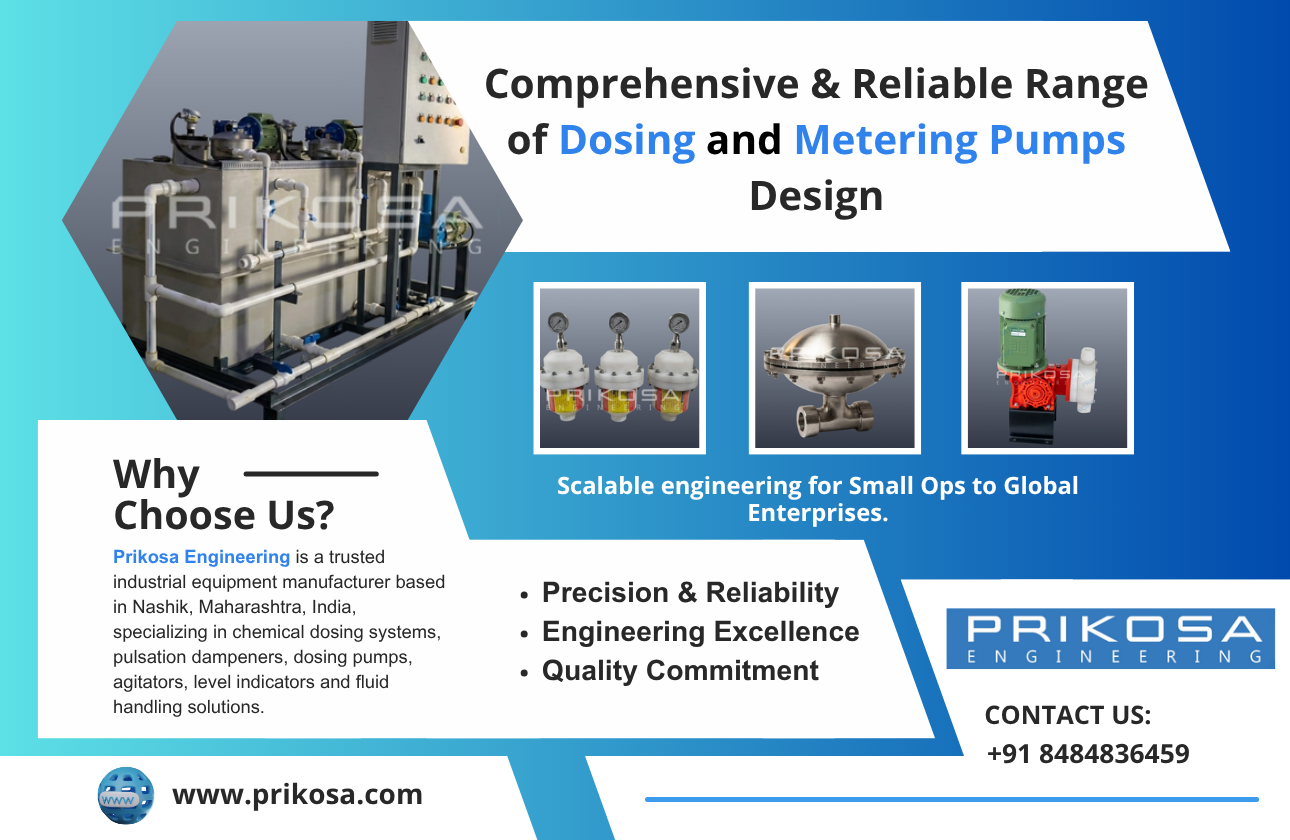
Understanding Polymer Dosing Systems
In the world of sewage treatment, polymer dosing systems play a crucial role. What exactly are they? Well, they are specialized setups designed to aid in the treatment of wastewater. When sewer water is processed, it often contains suspended particles and tiny materials that need to be clumped together for easy removal. Here’s where the polymer dosing system comes into the picture. These systems automatically add a precise amount of polymer solutions to the water stream. The polymers help in aggregating these tiny particles into larger clumps, making it easier to filter or settle them out. By having an automated polymer dosing system, the treatment process becomes more efficient and consistent. Often, treatment plants that aim for high efficiency and environmental compliance integrate these systems. They save time, reduce manual intervention, and most importantly, ensure the quality of the treated water. For more insights into related systems, check out this comprehensive guide on polymer dosing systems.
Polymer Dosing System for STP
Sewage Treatment Plants (STPs) need to deploy effective treatment methods to ensure that the wastewater discharged into the environment is both clean and safe. A polymer dosing system for STP is key to achieving such results. These systems are particularly tailored to handle the specific requirements of sewage treatment processes. Whether it's a municipal or industrial treatment plant, polymer dosing systems cater to various capacities and flow rates. They come equipped with features such as automatic controllers, flow meters, and precision pumps, ensuring that the exact amount of polymer is added at the right time. As STPs treat massive volumes of water, the automation and accuracy these systems provide are invaluable. Moreover, they help in minimizing chemical wastage and maximize the efficiency of the clarifying process. This is not only cost-effective but also environmentally friendly, aligning with the goals of many modern STPs.
Components of Polymer Dosing Systems
Understanding the components that make up a polymer dosing system is essential to grasp how they work. At the heart of the system, you will find dosing pumps and control units. The dosing pumps regulate the flow of polymer solution into the water. They ensure that polymers are accurately injected into the system. Control units determine the necessary dosage based on real-time data, allowing for adjustments on-the-fly. Mixing tanks are another key component, where the polymer solution is pre-mixed before dosing. Proper agitation in these tanks ensures that the polymers dissolve evenly. Lastly, flow meters keep everything in check, tracking the water volume to ensure polymers are added at the right rate. If you're curious about how this technology integrates into larger systems, read more about the details and functionalities.
Polymer Dosing System for STP: Benefits
When it comes to benefits, a polymer dosing system is a game-changer for STP operations. Firstly, these systems greatly enhance the efficiency of the water treatment process. By ensuring optimal dosage and precise mixing, they significantly reduce operational downtime and maintenance needs. Secondly, they help STPs adhere to strict environmental regulations by providing a consistent quality of treated water. Using high-precision dosing helps in reducing over or under-dosage, minimizing chemical waste and associated costs. Polymer dosing systems are also known for their reliability and long lifespan, making them a valuable investment. Lastly, by automating what was once a manual task, they free up human resources to focus on other critical areas of plant operations. Check out this comprehensive overview of chemical systems for better water treatment.
FAQs about Polymer Dosing Systems
1. What types of polymers are used in these systems?
Answer: Commonly used polymers are cationic and anionic polymers. Each type targets different particles in the wastewater to aggregate them efficiently. It’s vital to choose the right type based on the specific needs of the STP being run.
2. How does a polymer dosing system improve STP efficiency?
Answer: These systems automate the precise addition of polymers, ensuring the clumping of smaller particles into larger ones that can be easily filtered or settled out. This reduces manual labor and ensures consistent water treatment quality.
3. Are polymer dosing systems cost-effective?
Answer: Yes, they are. While the initial investment might seem significant, the long-term savings in chemical usage and labor costs, along with the reduced environmental impact, make them highly cost-effective.
4. Can these systems be integrated with existing STPs?
Answer: Absolutely. Most polymer dosing systems are designed for easy integration with various treatment plants, both new and existing setups. Their modular structure allows for scalable solutions.
5. What is the maintenance requirement for polymer dosing systems?
Answer: Regular maintenance is minimal but essential. Periodic checks of the pumps, mixing tanks, and control units will ensure optimal performance. Most systems come with user manuals that outline the maintenance schedules and procedures.