
Introduction to Polymer Dosing Systems
Polymer dosing systems play a crucial role in sewage treatment plants (STP). These systems help in the effective separation of solids from wastewater, which is essential for environmental protection and water recycling. By introducing precise amounts of polymer chemicals, these systems enhance the formation of larger particle clusters, known as flocs. This process, called coagulation, is vital for removing contaminants and preparing water for the next stages of treatment.
The Role of Polymer Dosing Systems in STPs
Sewage treatment plants are designed to clean wastewater and make it safe for reuse or discharge into natural bodies of water. A polymer dosing system adds specific chemicals to the wastewater to boost its ability to remove suspended solids. This can significantly improve the clarification process, where solid waste is separated from the water. Many plants prioritize these systems for their ability to enhance the efficiency of sedimentation and filtration processes, resulting in cleaner effluent and lower environmental impact.
Understanding the Need for Polymer Dosing Systems
With increasing urbanization and industrial activities, managing sewage effectively has become more challenging. Thus, STPs are under pressure to perform efficiently. A polymer dosing system for STP is critical because it enhances the removal of impurities at a faster rate, maintaining the quality of treated water. This improvement in water treatment processes can lead to substantial cost savings by reducing the need for additional chemicals and energy during further treatment stages.
Structure and Components of Polymer Dosing Systems
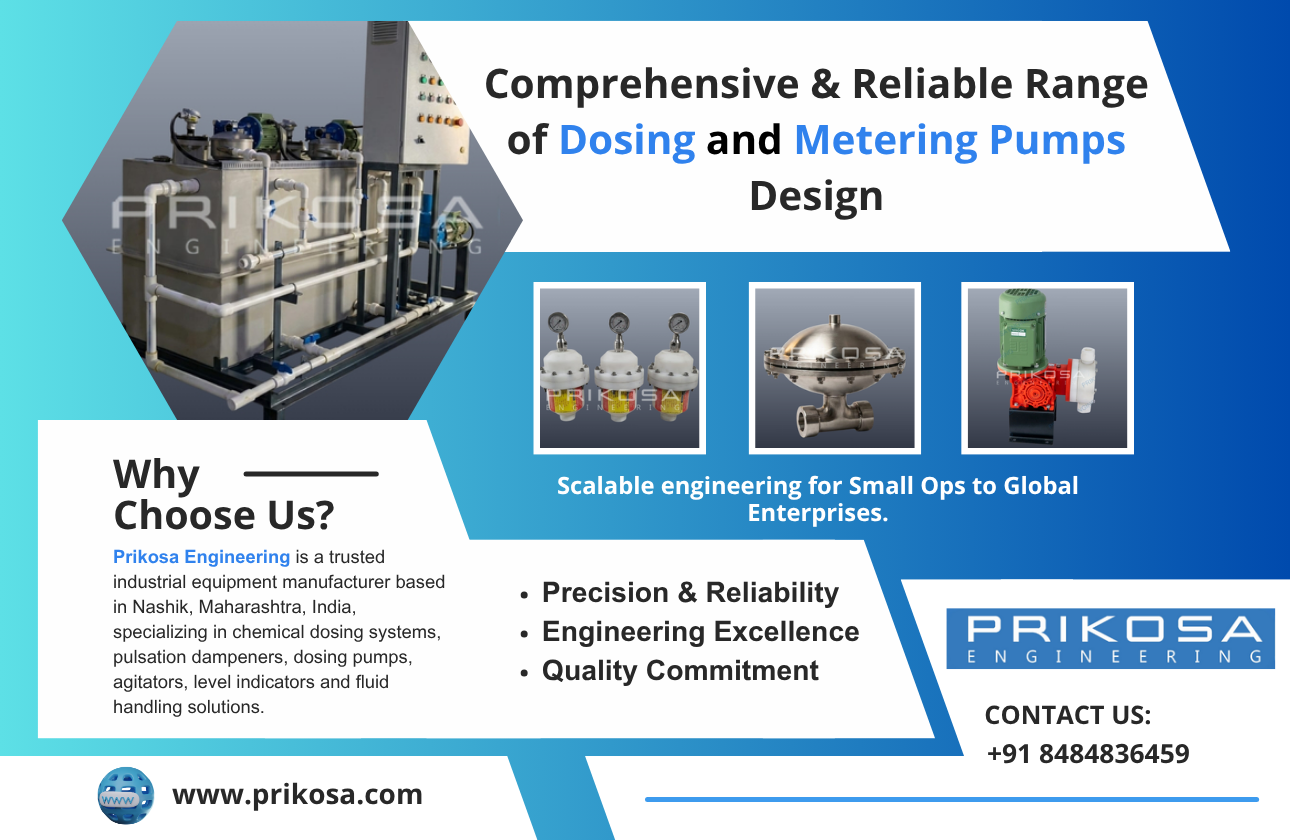
Polymer dosing systems typically consist of several key components: a storage tank, a dosing pump, and a control system. The storage tank holds the polymer solution, while the dosing pump ensures the correct amount is dispensed into the wastewater. The control system, which can be automated for efficiency, monitors the flow and adjusts the dosage as needed. This automation aspect is especially beneficial for managing chemical use efficiently, ensuring that the right amount of polymer is applied based on real-time wastewater conditions.
Advantages of Using Polymer Dosing Systems
The advantages of polymer dosing systems are evident in their ability to increase sludge dewatering rates, improve floc size and stability, and enhance the sedimentation process. By achieving these benefits, wastewater treatment facilities can operate with greater efficiency, reducing both operational costs and environmental footprint. These systems also support compliance with increasingly stringent environmental regulations regarding treated water discharges.
Polymer Dosing System for STP: The Core Benefits
A polymer dosing system for STP specifically enhances the treatment process efficiency by ensuring reliable and effective solid removal from the sewage. Consistent operation with minimal maintenance requirements means that plants can focus more on other critical operations. Moreover, these systems can significantly lower operation costs due to the precise chemical usage, as opposed to a manual dosing approach. Ultimately, this allows for a more environmentally friendly processing strategy, where water conservation is a priority.
Implementation Considerations for Polymer Dosing Systems
When implementing a polymer dosing system, factors such as plant size, wastewater properties, and desired treatment goals must be considered. These factors influence the type of polymer, concentration, and dosing rate. Facilities should conduct pilot tests to optimize system configurations for their specific conditions. Additionally, ongoing monitoring helps maintain system efficiency. Plant operators might consult resources like the world of chemical dosing skids to ensure they choose the most appropriate setups for their needs.
Choosing the Right Polymer for Your System
Selection of the right polymer is key to optimizing the dosing system's performance. There are various types of polymers, such as cationic, anionic, and non-ionic, each designed for specific types of wastewater. Testing different polymers helps determine which option is most effective in coagulating the particular mix of contaminants found in the sewage being treated. Partnering with chemical suppliers who can provide tailored solutions ensures that the systems remain efficient and effective over time.
Polymer Dosing System for STP in Detail
The polymer dosing system for STP is an extension of chemical dosing technology, focusing specifically on the needs of sewage processing facilities. These systems are designed to address challenges unique to sewage treatment. They offer precise control over the amount of polymer added, allowing for variations in wastewater conditions. Automation and real-time monitoring further these systems' ability to adjust effectively and maximize treatment efficiency.
Frequently Asked Questions
1. What is the main purpose of a polymer dosing system in STPs?
Answer: The primary purpose is to enhance the removal of suspended solids and contaminants, improving the treatment process through more effective coagulation and flocculation.
2. How does a polymer dosing system improve treatment efficiency?
Answer: By optimizing the amount of chemical used and ensuring even distribution, these systems promote quicker settling of solids, resulting in better clarification of the wastewater.
3. Can polymer dosing systems be adapted for different types of wastewater?
Answer: Yes, they can be adjusted to fit various wastewater characteristics, using different types of polymers tailored to specific fouling conditions.
4. What are the benefits of using an automated polymer dosing system?
Answer: Automation allows for precise dosing control, real-time adjustments, and reduced manual intervention, leading to increased efficiency and reduced operational costs.
5. Are polymer dosing systems environmentally friendly?
Answer: Yes, they enable optimized chemical usage, reducing waste and potential environmental impact, and supporting sustainable water management practices.