
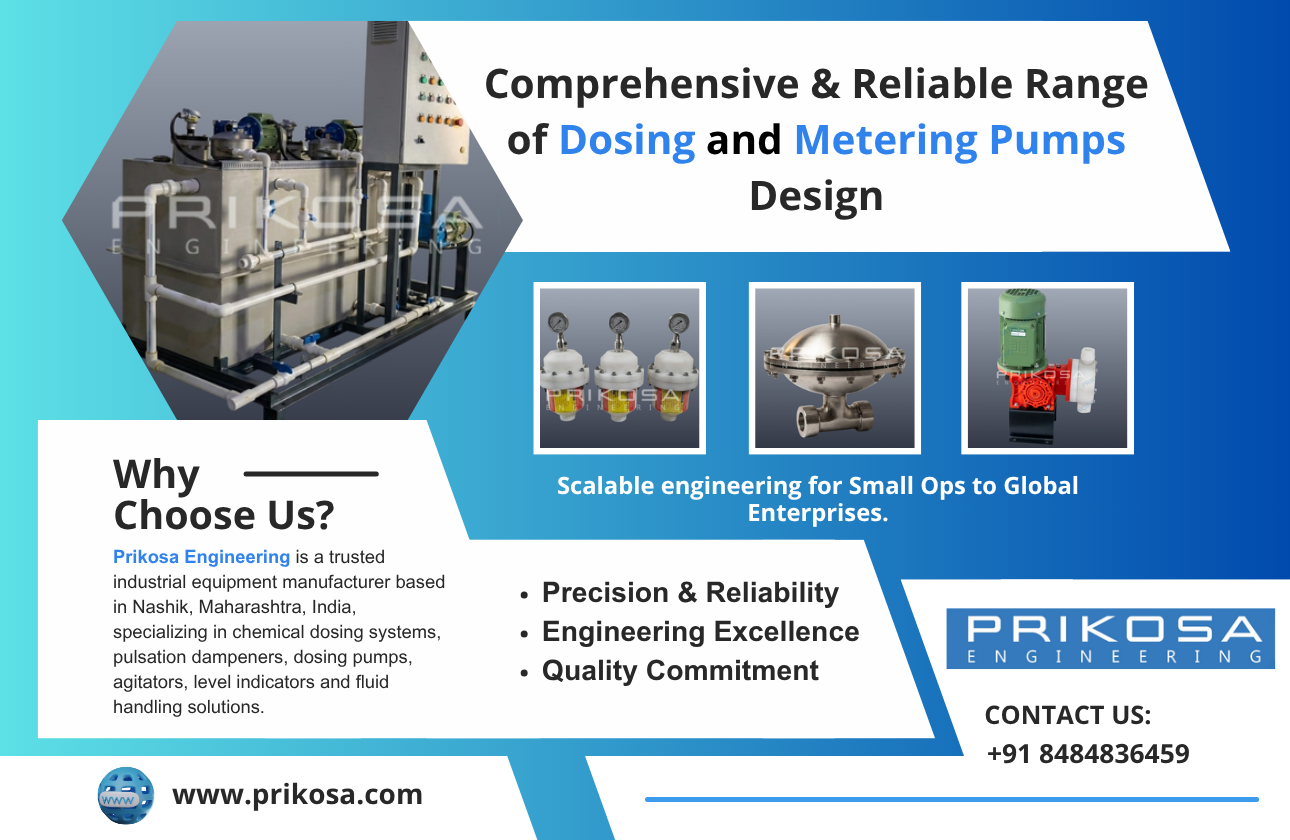
Introduction to Pressure Reducing Valves (PRVs)
Pressure Reducing Valves, commonly known as PRVs, play a significant role in various industries. These valves are designed to ensure that the pressure within a fluid system is at a safe and optimal level. That's important because it protects the system from damage due to excessive pressure. PRVs automatically reduce a higher inlet pressure to a lower outlet pressure so the system downstream remains within the limits necessary for safe operation. Whether it's in plumbing systems, industrial plants, or other applications, PRVs are crucial for maintaining stability and preventing potential failures. By doing so, they not only extend the lifespan of equipment but also promote energy efficiency and reduce costs. Their functionality is straightforward, yet they are highly effective in safeguarding both simple and complex systems.
The Basics of PRV: Function and Applications
The primary function of a PRV is to regulate pressure within a system. By controlling the pressure, PRVs help ensure the smooth operation of machinery and other components. They achieve this by reducing the inlet pressure to an acceptable level for other system devices. PRVs are commonly found in water and steam systems, where they maintain pressure balance despite fluctuating demand. This regulation is vital as it prevents system overloads or pressure fluctuations that could impede productivity or cause hazard. Additionally, PRVs are used in heating systems to manage water pressure, ensuring that domestic appliances such as boilers function correctly. The diversity of their applications highlights their importance across numerous sectors, including manufacturing, chemical processing, and residential plumbing, solidifying their role as indispensable tools in pressure management.
How PRVs Benefit Various Systems
The use of PRVs offers multiple advantages for any fluid system. First, they help protect against excess pressure, which could otherwise lead to system leaks or ruptures. This kind of protection is crucial in maintaining system integrity and avoiding costly repairs. Second, by ensuring stable functioning, PRVs enhance the safety of the entire system. They effectively minimize wear and tear on components, thereby extending their operational life. Reduced pressure fluctuations also mean less energy consumption as systems don't work as hard to compensate for changes, leasing to energy conservation and overall efficiency. In other systems, such as in the delivery of chemical dosages, maintaining the right pressure is critical for achieving the desired results. This improved efficiency can even play a key role in industries focusing on environmental sustainability strategies.
Types of Pressure Reducing Valves
There are several kinds of pressure reducing valves, each optimized for specific applications. The most common type is the direct-acting PRV, which uses the pressure difference across the valve to regulate the pressure. These are suitable for systems with low-flow requirements. For larger applications, where flow requirements are higher, pilot-operated PRVs are more effective. They allow for accurate control of downstream pressure through a pilot valve that amplifies the sensitivity of the main valve adjustments. Another variation is the pressure-sustaining valve, which maintains upstream pressure while ensuring the downstream does not exceed the preset limit. Some specialized PRVs are tailored for steam, gas, or water systems, each offering unique benefits according to system needs. Understanding these types helps in selecting the right PRV for your specific application, ensuring that you maximize benefits and achieve optimum system performance.
Installation and Maintenance of PRVs
Proper installation and regular maintenance of PRVs are essential to guarantee their effective performance. During installation, it's important to ensure the valve is easily accessible for adjustments and maintenance. Position matters, so the PRV should be installed as per professional specifications. Test the valve regularly to make sure it handles pressure loads effectively. Maintenance involves periodic inspection for signs of wear or leaks. Also, assess the valve's performance to ensure it's not causing unnecessary pressure drops, which can compromise system efficiency. In some complex systems, automated pressure and flow controls might need recalibration or more advanced diagnostic checks to retain their accuracy, with maintenance scheduled as needed to prevent disruptions. Staying on top of maintenance schedules secures system safety and functionality over time.
FAQs on Pressure Reducing Valves
1. What is a PRV?
Answer: A PRV, or Pressure Reducing Valve, is a device used in fluid systems to minimize the inlet pressure to a set downstream pressure. It's crucial for maintaining safe operational loads and protecting system integrity.
2. Why are PRVs important in water systems?
Answer: In water systems, PRVs help control pressure levels, protecting appliances and piping from damage due to fluctuating pressures. This is essential for systems operating under varying demand conditions.
3. How do I choose the right PRV for my application?
Answer: Selecting the right PRV depends on your system requirements, including pressure range, flow rate, and specific fluid characteristics. Consult with professionals or technical documentation to find the best fit.
4. Can PRVs be used in gas systems?
Answer: Yes, PRVs are widely used in gas distribution systems to ensure safe and efficient pressure levels. Special pressure reducing valves designed for gases account for their expansion characteristics under pressure drops.
5. How often should PRVs be maintained?
Answer: Regular maintenance is recommended, typically on an annual basis. However, for high-demand systems, more frequent checks might be necessary to prevent downtimes and ensure long-term reliability.